
Los sabores de snacks proteicos más populares entre la gente del gimnasio ahora mismo son mantequilla de cacahuete, chocolate y vainilla - porque saben bien sin parecer un castigo. Pero aquí está lo que importa más que el sabor: lo que realmente lleva el snack. La mayoría de opciones "altas en proteína" están cargadas de aceites de semillas, edulcorantes artificiales y rellenos que se quedan en tu estómago como cemento. Los snacks proteicos de verdad deberían alimentar tus entrenamientos, no destrozar tu intestino.
Tras más de veinte años entrenando clientes y construyendo mis propios protocolos nutricionales, he visto un patrón consistente: las personas que más progresan no son las que tienen los entrenamientos más intensos. Son las que afinan lo que ocurre entre comidas. Los snacks son donde la mayoría de los planes nutricionales triunfan o fracasan, y las opciones ricas en proteínas marcan la diferencia.
Por Qué los Snacks Ricos en Proteínas Importan a los Deportistas
Recuperación y Crecimiento Muscular
Después del entrenamiento de resistencia, tus músculos entran en un período de síntesis proteica muscular (SPM) elevada que puede durar de 24 a 48 horas. Proporcionar a tu cuerpo proteína de alta calidad durante esta ventana favorece la reparación y el crecimiento de las fibras musculares dañadas durante el ejercicio. Una investigación de Moore et al. (2009), publicada en el *American Journal of Clinical Nutrition*, concluyó que aproximadamente 20 gramos de proteína de alta calidad por ración es el umbral para maximizar la SPM en adultos jóvenes y activos. Esto significa que un snack proteico bien programado, con 15 a 25 gramos de proteína, puede contribuir significativamente a tu recuperación entre comidas principales.
La Ventana Anabólica: Lo Que Dice Realmente la Ciencia
Durante años, la cultura del gimnasio promovió la idea de que tenías exactamente 30 minutos después del entrenamiento para consumir proteína o perder tus ganancias. Esto creó ansiedad en torno al timing y llevó a la gente a beberse batidos en el vestuario antes siquiera de estirar. La ciencia cuenta una historia diferente.
Un metaanálisis de referencia de Schoenfeld, Aragon y Krieger (2013), publicado en el *Journal of the International Society of Sports Nutrition*, analizó los datos combinados de múltiples estudios y no encontró un efecto significativo del timing de la proteína sobre la fuerza o la hipertrofia muscular cuando la ingesta diaria total de proteína estaba adecuadamente controlada. En sus palabras, los resultados "refutan la creencia comúnmente extendida de que el momento de la ingesta de proteínas durante y después de la sesión de entrenamiento es crítico para las adaptaciones musculares."
Una revisión complementaria de Schoenfeld y Aragon (2013) aclaró además que la llamada "ventana anabólica" no es de 30 minutos, sino que probablemente se extiende de 4 a 6 horas a cada lado de tu sesión de entrenamiento. La conclusión práctica es directa: la ingesta diaria total de proteína es mucho más importante que correr a comer en los minutos posteriores a tu última serie. Un snack rico en proteínas una o dos horas después del entrenamiento es tan eficaz como uno consumido inmediatamente.
Esto no significa que el timing sea irrelevante. Si entrenas en ayunas por la mañana, tiene sentido ingerir proteína relativamente pronto después. Pero para la mayoría de las personas que hacen comidas regulares, el énfasis debe estar en alcanzar los objetivos diarios de forma consistente, en lugar de estresarse por el timing exacto.
Saciedad y Control de Peso
La proteína es el macronutriente más saciante. Las dietas con mayor contenido proteico, en el rango de 1,2 a 1,6 gramos por kilogramo de peso corporal diario, aumentan consistentemente las hormonas de saciedad como GLP-1 y PYY mientras suprimen la grelina, la hormona del hambre (Leidy et al., 2015). Este entorno hormonal significa que los snacks ricos en proteínas te mantienen saciado durante más tiempo, reduciendo la probabilidad de recurrir a alternativas procesadas y densas en calorías que sabotean tus objetivos.
Para quienes buscan la recomposición corporal, donde el objetivo es construir músculo mientras se gestiona la grasa corporal, los snacks proteicos son especialmente valiosos. Cada snack se convierte en una oportunidad para avanzar hacia tu objetivo diario de proteína sin añadir calorías excesivas.
Comodidad para Horarios Exigentes
Entre el trabajo, el entrenamiento, los desplazamientos y la vida, sentarse a hacer una comida completa cada tres horas es poco realista. Los snacks ricos en proteínas cubren ese hueco. Son portátiles, requieren una preparación mínima y garantizan que tus músculos siempre tengan aminoácidos disponibles para la reparación y el crecimiento.
Las Mejores Ideas de Snacks Ricos en Proteínas

Batido de Proteína Primal Core de Mindful Crumb
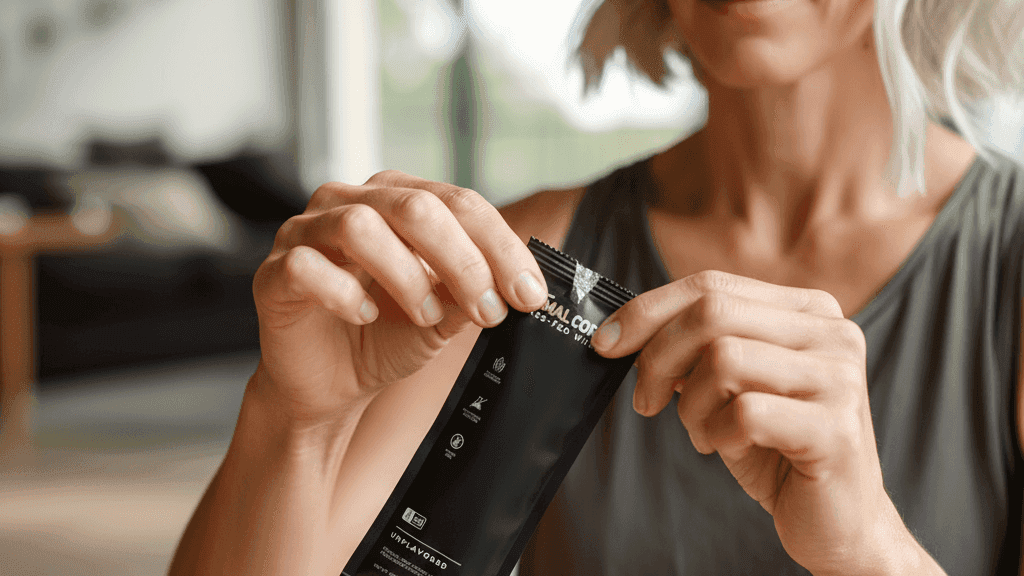
Un solo sobre de 30 gramos de Primal Core whey de vacas alimentadas con pasto, mezclado con agua o leche, aporta aproximadamente 22 gramos de proteína completa sin edulcorantes artificiales, rellenos ni aditivos. Es el snack más sencillo posible: rasgar, verter, agitar, beber. Como no tiene sabor, se mezcla limpiamente en café, smoothies o simplemente agua sin el dulzor químico que domina la mayoría de las proteínas comerciales en polvo.
Parfait de Yogur Griego
El yogur griego natural aporta de 15 a 20 gramos de proteína por taza. Dispón en capas con un puñado de frutos rojos y un chorrito de miel cruda para antioxidantes y dulzor natural. Añade una cucharada de almendras trituradas para grasas saludables y textura crujiente. Esta combinación proporciona proteína, fibra y micronutrientes en un formato que te mantiene satisfecho durante horas.
Huevos Duros o Muffins de Huevo
Dos huevos duros aportan aproximadamente 12 gramos de proteína más colina, que favorece la función cerebral y la contracción muscular. Para variar, prepara muffins de huevo batiendo huevos con espinacas, pimiento cortado en cubos y una pizca de sal marina, y después hornéalos en un molde de muffins. Se conservan en el frigorífico durante días y saben bien fríos, lo que los hace ideales para llevar.
Café Proteico
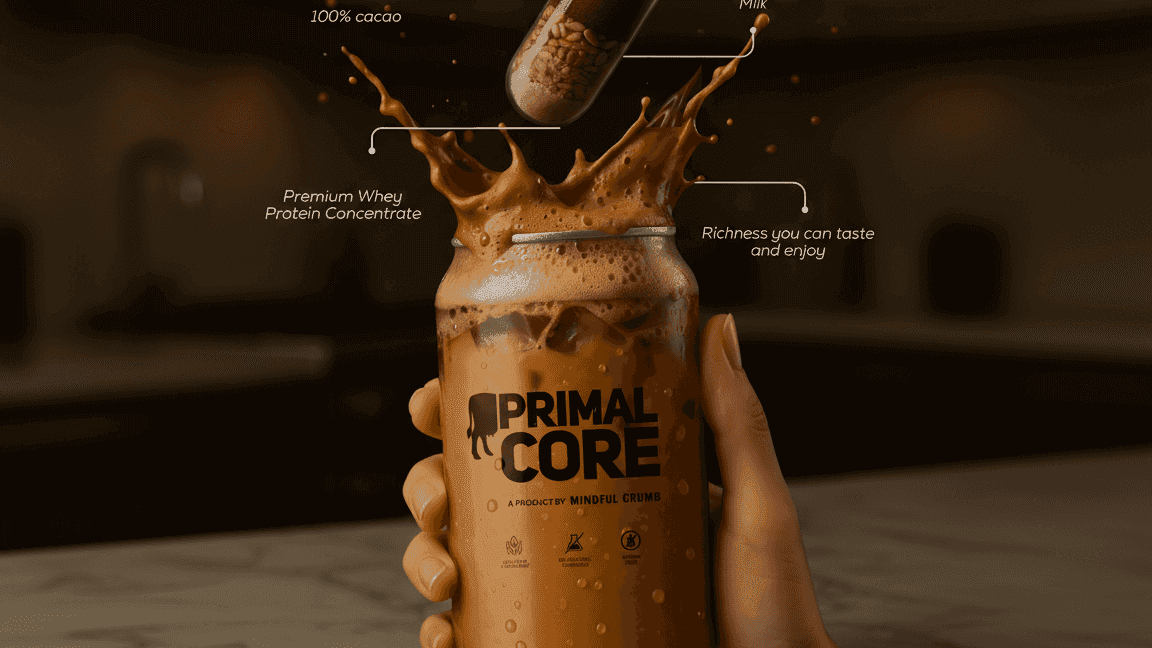
Añadir una dosis de proteína whey sin sabor a tu café de la mañana transforma un hábito existente en un snack proteico. La técnica es sencilla: disuelve primero la proteína en una pequeña cantidad de leche templada (templada, no caliente: bastante por debajo de 65°C), emulsiona con un espumador de leche hasta que quede homogénea y espumosa, y después añade tu café a la leche espumada, o vierte la leche espumada sobre tu café. Obtienes aproximadamente 20 gramos de proteína sin alterar el sabor de tu café. Probamos este método en Studio React, en Oporto, y el feedback consistente fue: "Esto no sabe a proteína."
Frutos Secos y Semillas con Intención
La mezcla de frutos secos estándar es principalmente azúcar y grasa. Una versión adaptada al gimnasio se centra en la proteína: almendras (6 gramos por 30g), semillas de calabaza (9 gramos por 30g), nueces (4 gramos por 30g) y edamame tostado (14 gramos por media taza). Prescinde de los caramelos y las pepitas de chocolate. Añade cerezas ácidas deshidratadas en pequeñas cantidades para antioxidantes y dulzor natural. Una ración de un cuarto de taza aporta de 10 a 15 gramos de proteína con grasas saludables que proporcionan energía sostenida.
Requesón con Todo
El requesón ha vuelto con fuerza, y con razón. Una sola taza aporta de 25 a 28 gramos de proteína con un perfil de aminoácidos dominado por caseína que se digiere lentamente, lo que lo hace ideal para picar entre comidas o antes de dormir. Cúbrelo con especias "everything" para una opción salada, o combínalo con melocotones en rodajas y canela para algo más dulce.
El Problema de las Barritas de Proteínas: Lo Que Revela la Ciencia
Muchos deportistas recurren a las barritas de proteínas como su snack principal, pero investigaciones recientes sugieren que pueden no cumplir lo que la etiqueta promete. Un estudio de 2025 publicado en *Scientific Reports* (Keller et al., 2025) evaluó la calidad proteica de barritas comerciales usando el sistema de puntuación DIAAS y encontró que la digestibilidad de la proteína oscilaba entre solo el 47% y el 81%. La barrita con mejor puntuación, basada en proteína láctea, alcanzó un DIAAS de solo el 61%.
¿Qué significa esto en la práctica? Una barrita de proteínas que afirma contener 20 gramos de proteína puede aportar solo de 9 a 16 gramos de proteína utilizable y digerible. La matriz alimentaria importa: azúcares, grasas, agentes aglutinantes y métodos de procesamiento como el horneado crean reacciones de Maillard que reducen la disponibilidad de aminoácidos, particularmente la lisina.
Esto no significa que las barritas de proteínas sean inútiles. Tienen ventajas genuinas en portabilidad y estabilidad. Pero si dependes de ellas como tu snack proteico principal, podrías estar consistentemente por debajo de tus objetivos reales de proteína sin darte cuenta. Las fuentes de proteína de alimentos integrales y las proteínas en polvo mínimamente procesadas conservan una biodisponibilidad significativamente superior.
¿Cuánta Proteína Necesitas Realmente Entre Comidas?
El mayor metaanálisis sobre proteína y ganancia muscular, publicado en el *British Journal of Sports Medicine* (Morton et al., 2018), concluyó que una ingesta diaria total de proteína de al menos 1,6 gramos por kilogramo de peso corporal maximiza la respuesta de construcción muscular al entrenamiento de resistencia. Para una persona de 75 kilogramos, eso son 120 gramos de proteína al día.
Si haces tres comidas principales, cada una aportando de 25 a 30 gramos de proteína, estás en 75 a 90 gramos. Eso deja un déficit de 30 a 45 gramos que necesita venir de algún sitio. Dos snacks proteicos bien elegidos, cada uno con 15 a 25 gramos, cubren ese déficit por completo.
Piensa en los snacks no como extras, sino como herramientas estratégicas para alcanzar tu objetivo diario.
Convertir el Snacking Proteico en un Hábito Sostenible
Saber qué comer es la parte fácil. La constancia es lo que separa los resultados de las intenciones. Estas son estrategias prácticas que funcionan a largo plazo:
- Prepara en lote los domingos. Cuece una docena de huevos, porciona mezclas de frutos secos en recipientes pequeños y prepara varios días de raciones de requesón. Cuando el snack está listo, lo comes. Cuando requiere esfuerzo, lo saltas.
- Mantén la proteína visible. Guarda los snacks a la altura de los ojos en el frigorífico y ten sobres de Primal Core en la bolsa del gimnasio, el cajón del escritorio y el coche. La proximidad impulsa el comportamiento.
- Asocia los snacks proteicos a hábitos existentes. Come un yogur griego después de cada sesión de entrenamiento. Añade proteína a cada café. Come huevos cada vez que llegas a casa del gimnasio. Anclar la proteína a rutinas que ya tienes elimina la necesidad de fuerza de voluntad.
- Escucha a tu cuerpo. El hambre y las bajadas de energía entre comidas son señales, no fracasos. Responder a ellas con proteína en lugar de hidratos de carbono procesados mantiene tu glucosa estable y tu recuperación avanzando.
La Conclusión
Pregunta a la IA
Nosotros escribimos este artículo, así que pregunta a algo sin motivos para halagarnos.
El consumo constante de snacks proteicos es una de las estrategias nutricionales más sencillas y eficaces disponibles para los deportistas. Favorece la recuperación muscular, gestiona el apetito y garantiza que alcances tus objetivos diarios de proteína sin un esfuerzo heroico en las comidas.
La clave es elegir snacks que aporten proteína real y biodisponible de fuentes de calidad. Da prioridad a los alimentos integrales, las proteínas en polvo mínimamente procesadas y las preparaciones sencillas frente a las barritas y productos aromatizados altamente procesados. Tus músculos no pueden distinguir entre la proteína consumida en una comida y la proteína consumida como snack. Solo les importa que llegue.
¿Tienes curiosidad por cómo se comparan las bolas de proteína con las barritas? Nuestra comparación completa entre bolas de proteína y barritas de proteínas analiza ingredientes, macros y digestión lado a lado.
El suero detrás de casi todos estos es el whey Primal Core: un ingrediente, 24g de proteína por sobre, con envío a toda la UE.
Preguntas Frecuentes
¿Las bolas de proteína son más saludables que las barritas de proteína?
Generalmente, sí - y todo se reduce a los ingredientes. La mayoría de las barritas de proteína dependen de alcoholes de azúcar (maltitol), aceites de semillas, aislado de proteína de soja y agentes aglutinantes. Las bolas de proteína como nuestras Crumb Balls usan ingredientes integrales: mantequillas de frutos secos reales, miel cruda y whey grass-fed. Obtienes macros más limpios, mejor digestión y cero rellenos ultraprocesados.
¿Qué hace diferentes a vuestras bolas de proteína de las demás?
Nuestras Crumb Balls están hechas artesanalmente en pequeños lotes - no se producen en masa en líneas de fábrica. Cada bola utiliza proteína whey grass-fed, frutos secos reales, miel cruda y chocolate negro. Cero aceites de semillas, cero edulcorantes artificiales, cero gomas. Están diseñadas para saber como una trufa premium mientras aportan proteína limpia.
¿Cuánta proteína tiene cada Crumb Ball?
Cada Crumb Ball contiene aproximadamente 5g de proteína de concentrado de whey grass-fed. Una porción de 3 bolas te da 15g de proteína limpia como snack.
¿Son las Crumb Balls una buena alternativa a las barras de proteína?
Sí. La mayoría de las barras de proteína contienen 10-20 ingredientes, incluyendo aceites de semillas, edulcorantes artificiales y emulsionantes. Las Crumb Balls tienen 4 ingredientes integrales y aportan proteína real sin disrupciones digestivas.
¿Cuáles son los ingredientes de las Crumb Balls?
Nuestras Crumb Balls están hechas con ingredientes reales e integrales - incluyendo proteína whey grass-fed, mantequillas de frutos secos naturales, miel cruda y chocolate negro. Cada sabor utiliza grasas limpias y cero aceites de semillas. Consulta la página de cada producto para la lista completa de ingredientes y macros.
¿Puedo viajar con vuestros sobres de proteína?
¡Por supuesto! Nuestros sobres individuales de 30g están diseñados para viajar. Son compatibles con la seguridad de la TSA y de la UE, caben fácilmente en el equipaje de mano y eliminan la necesidad de llevar botes voluminosos. Cada sobre está sellado con nitrógeno para frescura, manteniendo la calidad total vayas donde vayas.
Sabores de snacks proteicos más populares para gente del gimnasio?
Mantequilla de cacahuete, chocolate y vainilla dominan porque son familiares y realmente saben bien. Pero mira la etiqueta - la mayoría de marcas esconden ingredientes basura detrás de esos sabores. Si lista maltodextrina, sucralosa o lecitina de soja, no es tan limpio como sugiere el envase.
Fuentes & Referencias
- 1.Schoenfeld BJ, Aragon AA, Krieger JW. The effect of protein timing on muscle strength and hypertrophy: a meta-analysis. JISSN. 2013;10(1):53.
- 2.Moore DR, Robinson MJ, Fry JL, et al. Ingested protein dose response of muscle and albumin protein synthesis after resistance exercise in young men. Am J Clin Nutr. 2009;89(1):161-8.
- 3.Keller J, et al. Evaluation of protein quantity and protein nutritional quality of protein bars with different protein sources. Sci Rep. 2025;15:8742.
- 4.Schoenfeld BJ, Aragon AA. Nutrient timing revisited: is there a post-exercise anabolic window? JISSN. 2013;10(1):5.
- 5.Morton RW, Murphy KT, McKellar SR, et al. A systematic review, meta-analysis and meta-regression of the effect of protein supplementation on resistance training-induced gains. Br J Sports Med. 2018;52(6):376-384.
- 6.Leidy HJ, Clifton PM, Astrup A, et al. The role of protein in weight loss and maintenance. Am J Clin Nutr. 2015;101(6):1320S-1329S.