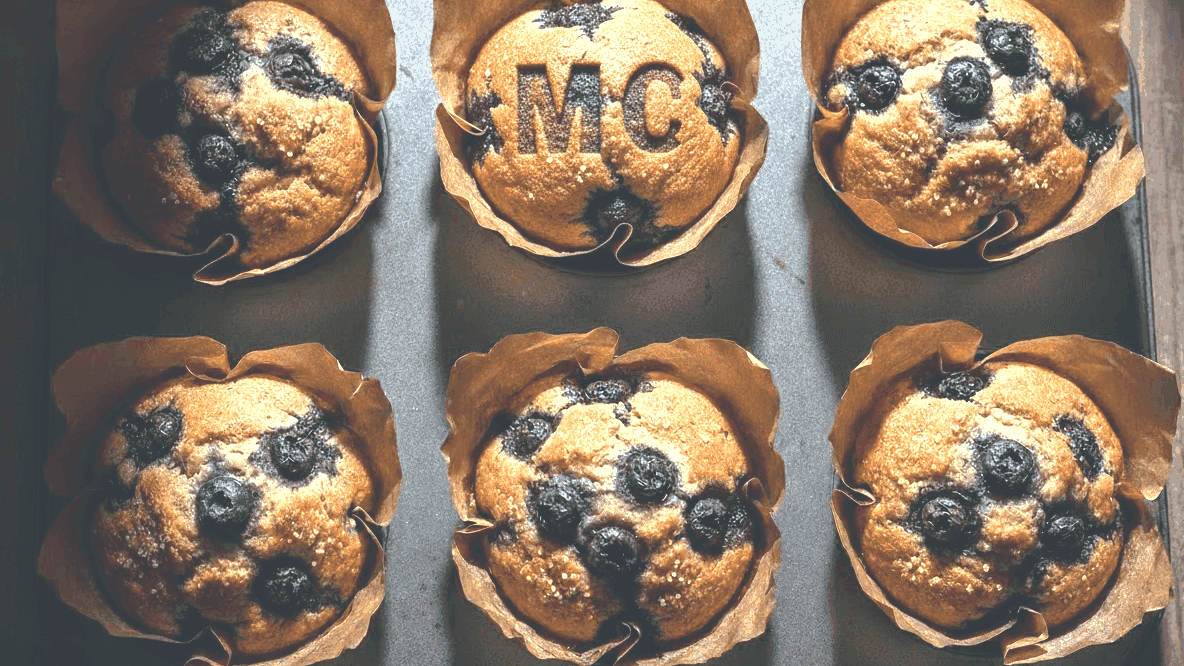
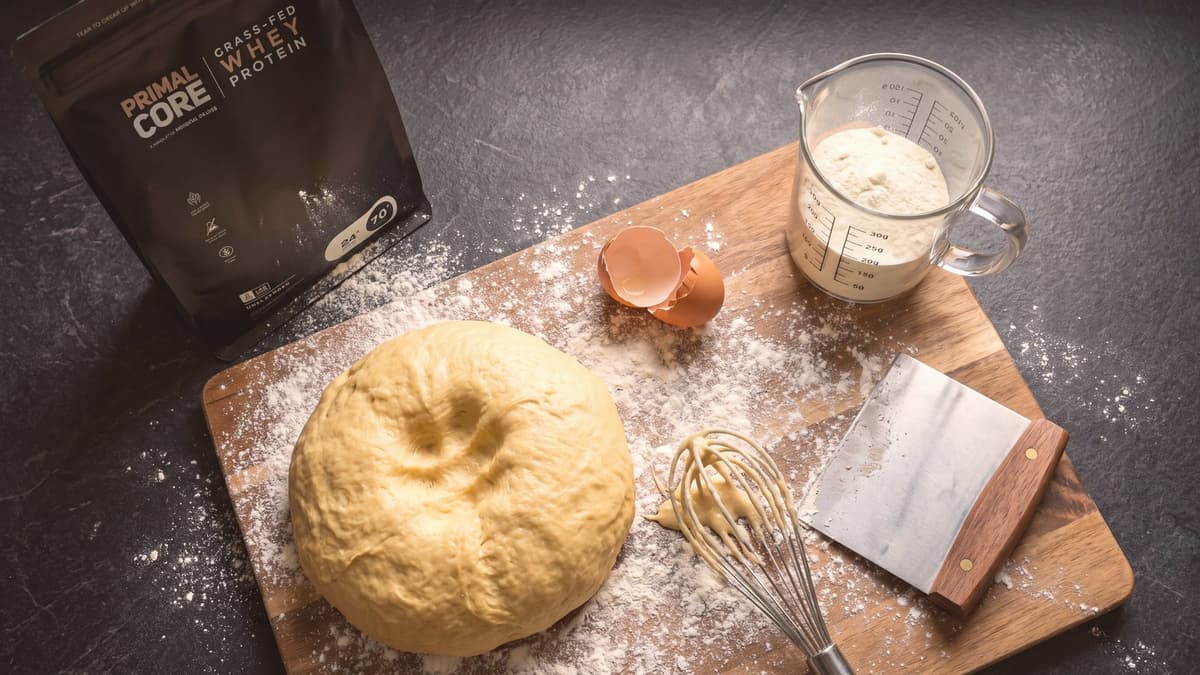
Yes, you can bake with whey protein concentrate. Unlike most protein powders that clump or turn rubbery under heat, unflavored whey concentrate stays stable up to 180°C and adds 20-24g of protein per serving without wrecking the texture - if you substitute no more than 20-25% of the flour in the recipe.
That is the how. The which, with the chemistry of why sucralose and gums fail under heat, is in the protein powder that actually bakes well.
I've been baking with whey for three years. Started with sourdough brioche, then moved to muffins, pancakes and cookies. The trick is using a plain, single-ingredient whey with no gums, no sweeteners and no soy lecithin. Those additives break down under heat and leave you with a dry, chalky mess.
Key facts about baking with whey protein
- Heat stability: Whey protein concentrate denatures (unfolds) at 72°C but stays functional up to 180°C in baked goods because the structure is supported by flour and fat.
- Substitution ratio: Replace 20-25% of flour with whey. Any more and the bake turns dense or rubbery.
- Moisture: Whey absorbs liquid fast. Add 10-15% more milk, water or eggs than the original recipe calls for.
- Best for: Muffins, pancakes, cookies, quick breads. Harder in yeast breads because whey doesn't provide gluten structure.
- Flavor: Unflavored whey tastes neutral. Flavored whey (vanilla, chocolate) works in sweet bakes but the artificial sweeteners often leave a chemical aftertaste after baking.
- Protein per serving: two 30g sachets (48g protein) in a 6-muffin batch add 8g of protein per muffin from the whey alone, before the eggs and milk.
Why most protein powders fail in baking
Most protein powders have 8-12 ingredients. Gums (xanthan, guar), soy lecithin, artificial sweeteners (sucralose, acesulfame-K), natural flavors. These stabilize a shake but break down under heat.
Sucralose, for example, starts degrading at 119°C and produces chloropropanols - compounds you don't want in food. Gums turn slimy or rubbery. Soy lecithin oxidizes and leaves a metallic taste.
Single-ingredient whey has none of this. It's just protein. It binds moisture, browns slightly (Maillard reaction), and holds structure. That's it.
How whey protein behaves under heat

Whey protein unfolds (denatures) starting around 72°C. In a shake, that would make it clump. In a bake, the flour and fat hold everything together, so the whey just adds structure and moisture retention.
Above 180°C, whey starts to degrade and lose some amino acids (lysine, cysteine). Most home ovens for muffins and cookies run 170-180°C, so you're fine. If you're making something that bakes longer or hotter (like crusty bread at 220°C), expect a bit more protein loss - but it's still functional.
A 2018 study in the *Journal of Food Science and Technology* found that whey protein concentrate retained 91% of its leucine content and 87% of its total protein after baking at 180°C for 25 minutes. The loss is real but small.
The substitution formula I use
Start with a recipe you know works. Let's say it calls for 200g flour.
- Replace 40-50g of the flour with whey (that's 20-25%).
- Add 30-40ml more liquid (milk, water, or an extra egg).
- Mix the whey with the dry ingredients first, then add wet ingredients. Don't overmix - whey sets up fast.
- Bake at the original temperature. Check doneness 2-3 minutes earlier than the recipe says because whey browns faster.
That ratio gives me muffins that hold together, don't taste chalky, and pack about 20g protein per serving.
What I actually bake with it
Protein muffins: My go-to. 150g oat flour, 50g whey, 2 eggs, 100ml milk, 1 mashed banana, pinch of salt. 180°C for 18 minutes. Each muffin is about 22g protein.
Pancakes: 100g oat flour, 30g whey, 1 egg, 150ml milk, 1 tsp baking powder. Makes 6 pancakes, about 12g protein each. They flip clean and don't stick.
Cookies: 120g almond flour, 30g whey, 1 egg, 50g butter, 30g honey. 170°C for 12 minutes. Soft-baked texture, 8g protein per cookie.
Quick breads: Banana bread, courgette bread. I swap 60g of the flour for whey in a 300g flour recipe. Adds structure and keeps it moist for 4-5 days.
I don't use whey in yeast breads anymore. Tried it in sourdough brioche for a year - tasted great, but the rise was always shorter because whey doesn't build gluten. If you want a high-protein yeast bread, you need vital wheat gluten, not whey.
Comparison: whey concentrate vs isolate vs blends for baking
| Type | Protein per 100g | Lactose | Fat | Heat stability | Best for baking? |
|---|---|---|---|---|---|
| Whey concentrate (single ingredient) | 70-80g | 4-8g | 4-7g | Stable to 180°C, browns well | Yes - holds moisture, neutral taste, affordable |
| Whey isolate | 85-90g | <1g | <1g | Stable but dries out faster | Only if you add extra fat (butter, oil) - otherwise too dry |
| Blended protein (whey + pea/rice) | 60-75g | Varies | 2-5g + seed oils | Inconsistent - pea protein is gritty, seed oils oxidize under heat | No - texture problems, off-taste after baking |
| Flavored whey (vanilla, chocolate, etc.) | 70-80g | 4-8g | 4-7g + sweeteners/gums | Sweeteners degrade, gums turn rubbery | Only in brownies or very sweet bakes where you can mask the aftertaste |
For baking, I only use unflavored whey concentrate. Isolate works if you're watching fat intake, but you have to compensate with more butter or oil or the bake comes out dry and crumbly.
The moisture problem (and how to fix it)
Whey absorbs liquid 2-3 times faster than flour. If you don't adjust the recipe, your muffins come out dry or your pancakes won't spread.
The fix: for every 30g of whey you add, add 30-40ml more liquid. I use milk because it also adds fat, which keeps the texture soft. Water works too, but the result is slightly more cake-like.
If you're making something dense like banana bread, an extra egg works better than extra milk. The fat in the yolk keeps it moist and the protein in the white binds with the whey.
What about the protein content after baking?
You lose a bit - maybe 10-15% depending on time and temperature. Leucine and lysine are the most heat-sensitive amino acids, but they don't disappear. A 2020 study in *Food Chemistry* measured baked goods with whey at 175°C for 20 minutes and found leucine retention around 88%.
So if you start with 24g of protein in a 30g scoop of whey, you're getting about 21-22g after baking. Still more than enough to count as a high-protein snack.
Why I use Primal Core for this
Primal Core is one ingredient: grass-fed whey protein concentrate from European pasture-raised cows. No gums, no soy lecithin, no sweeteners, no seed oils. I add lactase enzyme so it's easy to digest, but that doesn't affect baking.
I've baked with a dozen whey proteins. Most have 6-12 ingredients and they either clump, turn rubbery, or leave a weird aftertaste. Single-ingredient whey just works. It browns clean, holds moisture, and tastes neutral.
Each 30g sachet has 24g of protein and costs €2.30 if you subscribe (€2.65 one-time). For baking, one sachet replaces about 50g of flour in a 6-muffin batch, so each muffin costs about €0.40 in whey. Cheaper than a protein bar and you control what goes in it.
Common mistakes I see
Using too much whey. More than 25% of the flour and the bake turns dense or rubbery. Whey is not flour. It binds differently.
Not adding extra liquid. Your batter will look thick and dry. Add milk or water until it's the same consistency as the original recipe.
Overmixing. Whey sets up fast once it's wet. Mix until just combined, then stop. Overmixing makes the texture tough.
Baking at the same time as the original recipe. Whey browns faster than flour. Check your muffins or cookies 2-3 minutes early.
Using flavored whey in savory bakes. I tried vanilla whey in courgette bread once. Tasted like dessert bread. Not good. Stick to unflavored for anything savory.
Does it actually taste good?
Yes, if you use plain whey and keep the substitution under 25%. I've served whey-protein muffins to friends without telling them and no one noticed. They just said the muffins were "filling."
Flavored whey is hit-or-miss. Vanilla works in blueberry muffins or pancakes. Chocolate works in brownies. But the artificial sweeteners leave a chemical aftertaste that gets stronger after baking. I stopped using flavored whey two years ago.
Unflavored whey tastes like nothing. Slightly creamy, no sweetness, no bitterness. You taste the banana or the honey or the cinnamon - not the protein.
Should you bake with whey or just drink it?
Depends what you want.
If you need 25g of protein fast, a shake is faster. Stir a sachet into coffee and milk, done in 90 seconds.
But if you want a high-protein snack you can grab cold from the fridge, or if you're tired of shakes, baking makes sense. A batch of 6 muffins takes 25 minutes (5 minutes prep, 18 minutes baking, 2 minutes cooling). Each muffin is 20-22g of protein and lasts 4-5 days in the fridge.
I do both. Protein cappuccino in the morning (25g protein, no clumping, tastes like a flat white). Protein muffin mid-afternoon when I want something that feels like food, not a drink.
Final word
You can absolutely bake with whey protein. Use unflavored whey concentrate, substitute 20-25% of the flour, add 10-15% more liquid, and don't overmix. Start with muffins or pancakes - they're the easiest and the most forgiving.
If you've been drinking shakes for years and you're bored, this is worth trying. Tastes better, holds you over longer, and you're not stuck with 17 ingredients you can't pronounce.
The whey I bake with is Primal Core grass-fed whey. One ingredient, so it behaves like flour, 24g of protein a sachet, shipped across the EU.
Frequently Asked Questions
Does whey protein lose its protein content when you bake it?
You lose about 10-15% of the protein, mostly leucine and lysine, at typical baking temperatures (170-180°C). A 24g-protein scoop retains about 21-22g after baking for 18-20 minutes.
Can you use flavored whey protein for baking?
You can, but the artificial sweeteners (sucralose, acesulfame-K) often leave a chemical aftertaste after baking. Unflavored whey tastes neutral and works in both sweet and savory recipes.
How much whey protein should I add to muffins?
Replace 20-25% of the flour with whey. For a recipe with 200g flour, use 150g flour and 40-50g whey. Add 30-40ml extra liquid to keep the batter from getting too thick.
Does whey protein make baked goods dry?
Yes, if you don't add extra liquid. Whey absorbs moisture 2-3 times faster than flour. Add 10-15% more milk, water, or an extra egg to compensate.
Is whey isolate or whey concentrate better for baking?
Whey concentrate is better for most baking because it has a bit of fat (4-7g per 100g) that keeps the texture moist. Isolate works but you need to add extra butter or oil or the bake comes out dry.