
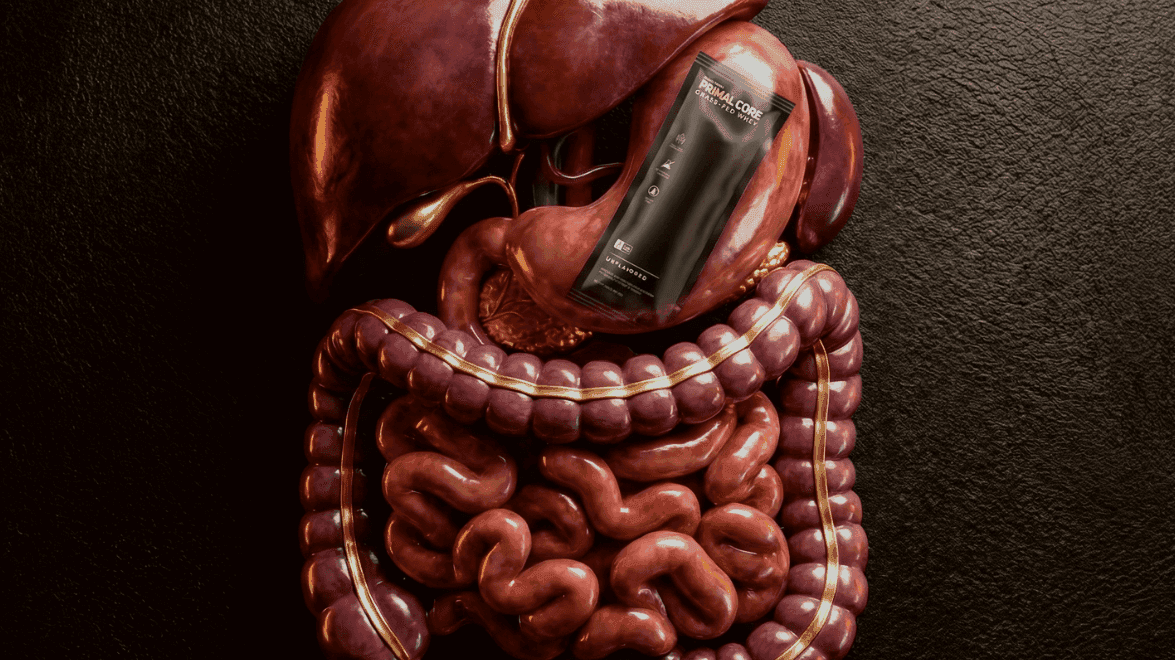
Protein shakes have been the go-to post-workout fuel for decades. But for many people, that shaker cup comes with a hidden cost: bloating, gas, and an unhappy stomach. If you have ever chugged a shake only to feel like you swallowed a balloon five minutes later, you are not alone.
After 20 years in fitness and nutrition, I have seen this pattern hundreds of times. Someone starts training consistently, adds a protein supplement, and within days their gut is in revolt. The culprit usually is not the protein itself -- it is the quality of the whey and the "extras" lurking inside the tub.
Enter clean whey protein. The conversation around fitness nutrition is shifting from "how much protein can I get?" to "how well can my body actually use this?" Clean whey is the answer for those who want muscle recovery without digestive distress. It is a return to basics that supports your microbiome rather than disrupting it.
Here is why your gut deserves an upgrade -- and what the science actually says about clean whey and digestive health.
Understanding Whey Protein and Gut Health
Before we fix the problem, we need to understand what whey actually is. Whey is a liquid byproduct of cheese production. It is incredibly rich in essential amino acids, making it one of the most bioavailable protein sources on the planet.
Generally, you will see it in three forms:
- Concentrate (WPC): The least processed form, retaining beneficial nutrients including bioactive compounds, but also some lactose and fat.
- Isolate (WPI): Processed further to remove most fat and lactose, resulting in a higher protein percentage but fewer bioactive fractions.
- Hydrolysate: "Pre-digested" -- enzymes break down the protein chains for faster absorption.
What most people do not realize is that these forms are not just different in protein percentage. A comprehensive review in the *International Dairy Journal* documented that whey protein concentrate retains significantly more bioactive fractions -- including lactoferrin, immunoglobulins, and glycomacropeptide (GMP) -- than isolate, because the intensive ultrafiltration and ion-exchange processing used to create WPI strips many of these minor but biologically significant compounds (Smithers, 2008).
A separate review in *Alternative Medicine Review* identified these same bioactives -- lactoferrin, beta-lactoglobulin, alpha-lactalbumin, GMP, and immunoglobulins -- as key compounds with immune-enhancing, antimicrobial, and antioxidant properties. Critically, these bioactives are sensitive to heat and aggressive processing (Marshall, 2004).
This is why the type of whey you choose matters far more than most people think.
Why Does Traditional Whey Cause Bloating?

Despite its benefits, traditional whey has a bad reputation for causing "protein farts" and stomach cramps. The reasons are well-documented:
1. Lactose Sensitivity
Approximately 65-70% of the global adult population has some degree of reduced lactose digestion capacity. Cheaper whey concentrates can retain 6-8% lactose, which ferments in the gut if you lack sufficient lactase enzyme to break it down. However, a randomized controlled trial published in *Nutrients* found that hydrolyzed dairy protein significantly reduced bloating, gas, and heartburn in people with functional gastrointestinal disorders, suggesting that protein processing method matters enormously for digestive tolerance (Laatikainen et al., 2020).
High-quality whey concentrates that use careful filtration can reduce lactose to manageable levels while preserving the bioactive compounds that make concentrate superior to isolate.
2. Artificial Sweeteners Disrupt Your Gut Bacteria
Look at the back of a standard protein tub. You will often see sucralose, acesulfame potassium, xanthan gum, and artificial flavors. These are not harmless fillers.
A groundbreaking 2014 study published in *Nature* -- one of the most respected scientific journals in the world -- demonstrated that artificial sweeteners including sucralose alter gut bacteria composition and can lead to glucose intolerance. The metabolic effects were transferable via fecal transplant and abolished by antibiotics, proving the microbiome-mediated mechanism (Suez et al., 2014).
The same research group followed up with a randomized controlled trial of 120 healthy adults published in *Cell* in 2022. They confirmed in humans what the earlier animal studies had shown: sucralose and saccharin significantly alter gut bacteria and impair blood sugar control in just two weeks, even at doses below regulatory limits. The effects were person-specific and microbiome-dependent (Suez et al., 2022).
A separate 2022 clinical trial reinforced these findings, showing that healthy young adults consuming sucralose daily for ten weeks experienced significant decreases in beneficial *Lactobacillus acidophilus* bacteria, along with altered glucose and insulin levels (Mendez-Garcia et al., 2022).
Every time you drink a protein shake sweetened with sucralose or ace-K, you are potentially disrupting the very gut bacteria your body depends on.
3. Heavy Processing Damages Protein Structure
High-heat processing can denature the delicate protein structures, making them harder for your body's enzymes to break down effectively. This is a particular problem with cheap, mass-market whey that prioritizes shelf life over digestibility.
What Is Clean Whey Protein?
"Clean whey" is not just a marketing buzzword. It refers to a specific standard of sourcing and processing that strips away the junk and focuses on the protein in its most natural, usable state.
To qualify as truly clean whey, the product should meet these criteria:
- Minimal Processing: Cold-filtration methods that preserve the delicate bioactive protein fractions that support immune health and gut function.
- Grass-Fed Sourcing: Cows that roam and eat grass produce milk with a better nutrient profile. The European Union bans the use of rBGH growth hormones in dairy cattle -- a practice still legal in the United States -- and also prohibits many additives and antibiotics permitted in American dairy production.
- Zero Artificial Additives: No fake sweeteners, no synthetic dyes, no gums, and no fillers that compromise your digestive system.
- Single Ingredient: Just whey protein. No proprietary blends hiding undisclosed ingredient amounts.
Essentially, clean whey is what protein powder was supposed to be before companies started filling it with chemistry experiments to cut costs.
The Science: Clean Whey Actively Supports Gut Health
Switching to a cleaner source does more than just stop the bloating. It actively supports a healthy digestive environment. Here is what the research shows:
Whey Protein Acts as a Prebiotic
This might surprise you. A 2017 study published in *Food & Function* found that whey protein acts as a prebiotic, significantly increasing beneficial *Bifidobacterium* and *Lactobacillus* populations in both normal-weight and obese gut microbiota models. The prebiotic effect was attributed to whey's bioactive peptides and glycomacropeptide content (Sanchez-Moya et al., 2017).
A 2024 review in *Probiotics and Antimicrobial Proteins* confirmed these findings, showing that glycomacropeptide (GMP) -- a bioactive compound found naturally in whey protein concentrate -- feeds beneficial gut bacteria while inhibiting harmful pathogens. The same review noted that lactoferrin in whey promotes probiotic growth by sequestering iron from pathogenic bacteria (Wernlund et al., 2024).
Further research published in *Foods* showed that lactoferrin supports gut health through a dual mechanism: starving harmful bacteria of iron while directly feeding beneficial probiotic strains through interaction with lactoferrin-binding proteins on probiotic cell membranes (Sanchez-Diaz et al., 2024).
Here is the key point: these prebiotic compounds -- GMP, lactoferrin, and immunoglobulins -- are found in significantly higher concentrations in whey protein concentrate than in isolate. The aggressive processing that creates WPI strips away many of these gut-supporting fractions (Smithers, 2008).
Why Concentrate Beats Isolate for Gut Health
Most people assume isolate is "better" because it has a higher protein percentage. But when it comes to gut health, the opposite is true.
Whey protein concentrate retains the full spectrum of bioactive compounds -- lactoferrin, immunoglobulins (IgG, IgA, IgM), GMP, and beta-lactoglobulin -- that actively support digestive and immune function. These are not trivial additions. They represent the functional difference between a protein that merely provides amino acids and one that actively supports your body's ecosystem (Marshall, 2004).
The trade-off with concentrate is slightly more lactose. But with careful cold-filtration processing and high-quality grass-fed sourcing, lactose content can be minimized while preserving the full bioactive profile.
Clean Whey vs. Traditional Whey: A Comparison
Traditional Whey:
- Source: Often grain-fed, factory-farmed cattle, potentially treated with rBGH (in the US).
- Ingredients: Long list of fillers, gums, anti-caking agents, and artificial sweeteners proven to disrupt gut bacteria.
- Processing: High-heat methods that can damage protein fractions and bioactive compounds.
- Gut Impact: High risk of bloating, microbiome disruption, and inflammation.
Clean Whey:
- Source: Grass-fed, pasture-raised cows from regions with strict dairy regulations (like the EU).
- Ingredients: Short and simple. Just whey protein -- nothing else.
- Processing: Cold-pressed or low-temperature filtration that keeps bioactive nutrients intact.
- Gut Impact: Easy digestion, high absorption, prebiotic support for beneficial gut bacteria.
How to Choose the Right Clean Whey Protein
Not all tubs claiming to be "natural" actually are. Here is how to evaluate what you are buying:
- Check the Ingredient List: The fewer ingredients, the better. If you see sucralose, acesulfame-K, carrageenan, or words you cannot pronounce, put it back. A comprehensive review in *Environmental Health Perspectives* found that both degraded and food-grade carrageenan were associated with intestinal inflammation in animal studies (Tobacman, 2001).
- Look for "Grass-Fed" and EU-Sourced: European dairy standards prohibit rBGH growth hormones and many additives permitted in American dairy production.
- Verify Third-Party Testing: Transparency matters. Brands that submit to independent testing and tell you exactly where their milk comes from are typically hiding nothing.
- Choose Unflavored When Possible: This eliminates the need for any sweeteners, natural or artificial. You control what goes in.
Incorporating Clean Whey into Your Diet
Because clean whey -- especially unflavored varieties -- lacks the overpowering chemical sweetness of standard powders, it is incredibly versatile:
- The Protein Coffee: Adding a scoop of unflavored whey to your morning brew provides creaminess and protein without ruining the flavor of your roast. The protein froths beautifully and adds a creamy texture that replaces milk -- delivering 24 grams of protein before you even eat breakfast.
- Hydration Drinks: Combine clean whey with plant milk, cacao, and a pinch of Celtic sea salt for electrolytes. This is especially effective for post-workout recovery, where you need both protein and rehydration.
- Baking: Swap some flour for whey in pancake or muffin recipes. Since clean whey lacks gums, it behaves better in baking than "sludgy" protein powders. The result is lighter, more digestible baked goods with significantly higher protein content.
- Smoothie Base: Blend with frozen berries, banana, and a handful of spinach. The unflavored whey lets the fruit flavors come through naturally, without the cloying artificial sweetness of conventional protein powders.
- Overnight Oats: Stir a half-serving into overnight oats the night before. The whey integrates smoothly and adds 12 grams of protein to your morning routine with zero extra effort.
Who Benefits Most from Clean Whey?
While clean whey is beneficial for anyone prioritising gut health, certain groups see the most dramatic improvements:
People with sensitive stomachs. If you have tried multiple protein powders and experienced bloating, gas, or nausea with each one, the problem is almost certainly the additives -- not the whey. Switching to a single-ingredient whey concentrate frequently resolves these issues entirely within the first week.
GLP-1 medication users. Ozempic, Wegovy, and Mounjaro slow gastric emptying, which amplifies the GI effects of protein powder additives. Clean whey with zero additives is the safest choice for maintaining protein intake on these medications. Our GLP-1 protein guide covers this in detail.
Women over 40. Hormonal shifts during perimenopause and menopause increase protein needs while making the gut more sensitive to inflammatory additives. Clean whey delivers the amino acids needed for muscle and bone preservation without the sweeteners and soy that can interfere with hormonal balance. Read our guide for women over 40 for specific recommendations.
Athletes and heavy trainers. High-volume training creates stress on the immune system. The immunoglobulins and lactoferrin in whey concentrate directly support immune recovery -- a benefit lost in isolate processing. When you are consuming 3 to 4 servings of protein powder per day, eliminating additives also means eliminating the cumulative effect of artificial sweeteners on your microbiome.
Anyone on an elimination diet. When trying to identify food sensitivities, you need protein sources with the fewest possible variables. A single-ingredient whey is the simplest supplemental protein you can consume, making it easy to rule in or out as a trigger.
Your Gut Will Thank You
Fitness is a long game, and you cannot play it effectively if your nutrition is making you sick. The science is increasingly clear: what you put in your protein shake matters beyond the grams of protein listed on the label.
By swapping out over-processed, additive-laden powders for clean whey concentrate, you are not just building muscle -- you are feeding the beneficial bacteria that govern your immunity, your mood, and your overall health. You are avoiding the artificial sweeteners that research has shown disrupt your microbiome in as little as two weeks. And you are getting the full spectrum of bioactive compounds that make whey protein one of the most remarkable foods nature has produced.
Make this the year you stop tolerating bloating and start fueling with intention. Your microbiome works hard for you -- feed it something good in return.
The whey I make for exactly this is Primal Core grass-fed whey. One ingredient on the label, 24g of protein a sachet, shipped across the EU.
Keep Reading
If bloating has been a persistent issue with your current protein, our guide to whey protein without the bloat breaks down the five hidden causes and how to fix them. And for a deeper look at choosing the best protein for your gut in 2026, check out our buyer's guide to gut-healthy protein powder.
Frequently Asked Questions
What is the best protein for gut health?
Grass-fed whey protein concentrate is one of the best options for gut health. Unlike isolate, concentrate retains immunoglobulins, lactoferrin, and other bioactive compounds that support the gut lining and microbiome. The key is avoiding common gut irritants found in most protein powders: artificial sweeteners, thickening gums, soy lecithin, and seed oils. Primal Core contains none of these - just pure grass-fed whey.
Why does whey protein cause bloating and how is yours different?
Most whey proteins cause bloating due to added ingredients: artificial sweeteners (sucralose, acesulfame-K), thickening gums (xanthan, guar), soy lecithin, and excess lactose from low-quality processing. Primal Core avoids all of these. It's a single-ingredient, gently processed concentrate with naturally lower lactose levels, which is why customers consistently report zero bloating.
Does Primal Core cause bloating?
No. Most protein powders cause bloating due to artificial sweeteners, thickening gums, soy lecithin, and excess lactose. Primal Core contains none of these - just pure, gently processed grass-fed whey with naturally lower lactose levels.
Is whey concentrate or isolate better?
Concentrate is superior for overall health. Whey isolate undergoes aggressive processing that strips out immunoglobulins, lactoferrin, and other bioactive compounds - the very things that make whey a functional food beyond just protein content. Concentrate retains the full spectrum of beneficial proteins, growth factors, and immune-supporting compounds. Isolate has slightly more protein per gram (90% vs 80%), but you lose the gut health, immune, and anti-inflammatory benefits.
Sources & References
- 1.Suez et al. (2014) - Artificial sweeteners induce glucose intolerance by altering the gut microbiota. Nature.
- 2.Suez et al. (2022) - Personalized microbiome-driven effects of non-nutritive sweeteners on human glucose tolerance. Cell.
- 3.Sanchez-Moya et al. (2017) - In vitro modulation of gut microbiota by whey protein to preserve intestinal health. Food & Function.
- 4.Wernlund et al. (2024) - Potential Prebiotic Properties of Whey Protein and Glycomacropeptide in Gut Microbiome. Probiotics and Antimicrobial Proteins.
- 5.Marshall (2004) - Therapeutic applications of whey protein. Alternative Medicine Review.
- 6.Smithers (2008) - Whey and whey proteins - from gutter to gold. International Dairy Journal.
- 7.Partial hydrolysation of casein protein in milk decreases gastrointestinal symptoms - Nutrients (2020)
- 8.Mendez-Garcia et al. (2022) - Ten-Week Sucralose Consumption Induces Gut Dysbiosis. Microorganisms.
- 9.Tobacman (2001) - Review of harmful gastrointestinal effects of carrageenan. Environmental Health Perspectives.
- 10.Sanchez-Diaz et al. (2024) - Milk Bioactive Compounds and Gut Microbiota Modulation. Foods.