Se alguma vez terminou um treino, agarrou na garrafa de água, bebeu um batido de proteína e mesmo assim se sentiu em baixo, não está sozinho. Hidratação e recuperação não são tão simples como "beber água mais tomar proteína." O seu corpo precisa da combinação certa de líquidos, eletrólitos e nutrientes -- entregues em conjunto -- para absorver o que lhe dá.
É aqui que o conceito de uma bebida proteica de hidratação faz uma verdadeira diferença. Em vez de tratar a hidratação e a recuperação como tarefas separadas, combina-as numa única bebida que o seu corpo consegue processar eficientemente.
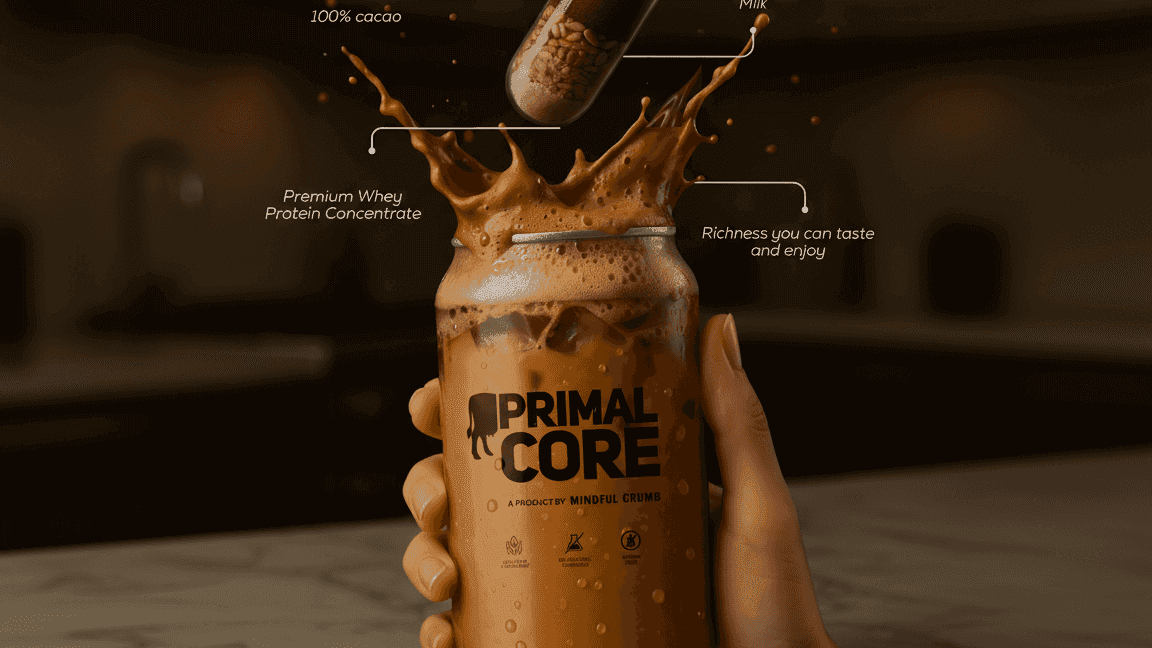
Recentemente, mais pessoas têm optado por uma mistura simples que combina leite vegetal, proteína limpa, cacau e uma pitada de sal rico em minerais. É fácil de preparar, suave na digestão e apoia tanto a hidratação como a recuperação. Após recomendar esta combinação a clientes durante anos, quero explicar porque cada ingrediente importa -- e o que a ciência diz sobre esta abordagem.
Porque Esta Bebida Funciona: A Ciência por Detrás de Cada Ingrediente
Isto não é apenas mais uma receita de batido. Cada ingrediente desempenha um papel específico e baseado em evidência no apoio à hidratação, recuperação e energia sustentada.
Leite Vegetal (Mistura de Amêndoa e Arroz)
Uma base leve que é suave para o estômago, especialmente após o exercício. O leite de amêndoa e arroz são naturalmente livres de lactose e não vão pesar quando o seu corpo já está a trabalhar para recuperar. A base líquida também fornece o veículo para a absorção de minerais -- o seu corpo precisa de líquido para transportar eletrólitos para as células.
Proteína Whey de Pasto (Baixa Lactose)
Adicionar uma fonte de proteína limpa faz mais do que ajudar os seus músculos a recuperar. Investigação publicada no *British Journal of Nutrition* descobriu que a proteína whey desencadeia níveis significativamente mais elevados de GLP-1 e CCK -- as hormonas de saciedade que dizem ao seu cérebro que está cheio -- levando a 28% menos ingestão alimentar na refeição seguinte comparado com a caseína. O aumento rápido de aminoácidos do whey impulsiona esta sinalização de saciedade mais forte (Hall et al., 2003).
Um estudo publicado na *Appetite* foi mais longe, demonstrando que a proteína whey completa contendo glicomacropéptido (GMP) produziu maiores aumentos de GLP-1, maior resposta de insulina e maiores diminuições de grelina (a hormona da fome) comparado com whey com GMP removido. O whey com GMP também resultou em menor ingestão energética na refeição seguinte (Veldhorst et al., 2009).
Isto é significativo porque o concentrado de proteína whey contém naturalmente GMP, enquanto muitos isolados o têm removido durante o processamento. Significa que o tipo de whey que usa na sua bebida de recuperação influencia realmente o quão satisfeito se sente durante horas depois.
Um ensaio clínico randomizado publicado no *European Journal of Clinical Nutrition* confirmou que a proteína whey é mais saciante a curto prazo do que a caseína em indivíduos com excesso de peso e obesos, produzindo concentrações pós-prandiais significativamente mais elevadas de CCK e GLP-1 (Pal et al., 2014).
O Primal Core whey da Mindful Crumb é de pasto, baixo em lactose e feito sem aromas, adoçantes ou enchimentos adicionados -- preservando o perfil bioativo completo incluindo GMP.
Cacau 100%
O cacau adiciona sabor rico sem açúcar, mais antioxidantes naturais incluindo flavonoides que apoiam a saúde cardiovascular. Os polifenóis no cacau demonstraram apoiar a produção de óxido nítrico, que ajuda com o fluxo sanguíneo -- benéfico durante a janela de recuperação quando os seus músculos precisam de entrega de nutrientes.
Também transforma a bebida em algo que genuinamente desfruta. A consistência importa mais do que a perfeição, e se a sua bebida de recuperação souber bem, vai realmente consumi-la regularmente.
Sal Marinho Celta
Uma pequena pitada de sal marinho celta fornece eletrólitos naturais -- sódio, magnésio, cálcio e potássio -- minerais que ajudam o seu corpo a absorver líquidos mais eficazmente após transpirar. Sem eletrólitos adequados, beber água sozinha pode na verdade diluir os seus níveis de sódio no sangue em vez de o reidratar.
O sal marinho celta retém o seu conteúdo mineral porque não é refinado, ao contrário do sal de mesa comum que é despojado de minerais-traço durante o processamento.
Quando Beber

Uma questão comum sobre o timing da proteína é se precisa de a consumir imediatamente após o treino. A velha "janela anabólica de 30 minutos" tem sido um clássico de ginásio durante décadas, mas a ciência evoluiu significativamente.
Uma meta-análise de referência publicada no *Journal of the International Society of Sports Nutrition* não encontrou efeito significativo do timing da proteína na força ou hipertrofia muscular quando a ingestão diária total de proteína foi controlada. Os resultados "refutam a crença comummente mantida de que o timing da ingestão de proteína durante e à volta de uma sessão de treino é crítico para as adaptações musculares" (Schoenfeld et al., 2013).
Uma revisão separada pelos mesmos investigadores descobriu que a "janela anabólica" pós-exercício é muito mais ampla do que o mito dos 30 minutos sugere -- provavelmente estendendo-se 4 a 6 horas -- e que a ingestão diária total de proteína é o principal motor do crescimento muscular (Schoenfeld & Aragon, 2013).
O que isto significa na prática: não precisa de se apressar a fazer esta bebida no segundo em que termina a última série. A ingestão diária consistente de proteína importa muito mais do que obsessão com o timing exato pós-treino.
Dito isto, esta bebida proteica de hidratação encaixa naturalmente em vários momentos do seu dia:
- Após o treino -- para repor líquidos, eletrólitos e aminoácidos numa única bebida
- A meio da manhã -- como um impulso leve e nutritivo entre refeições que o mantém satisfeito
- Em dias ativos ao ar livre -- ideal para caminhadas, surf ou recados longos quando precisa de energia sustentada
- Como ponte entre refeições -- quando o almoço ou jantar vai atrasar-se
Uma revisão no *American Journal of Clinical Nutrition* confirmou que dietas com mais proteína (1,2 a 1,6 g/kg/dia) aumentam consistentemente as hormonas de saciedade como GLP-1 e PYY enquanto suprimem a grelina, criando um ambiente hormonal que reduz naturalmente o apetite (Leidy et al., 2015). Esta bebida proteica de hidratação contribui significativamente para essa meta diária.
Como Fazer
A receita é simples:
- 250ml de mistura de leite de amêndoa e arroz (ou qualquer leite vegetal que prefira)
Pergunta à IA
Fomos nós que escrevemos este artigo, por isso pergunta a algo sem motivo para nos elogiar.
- Uma colher (30g) de Primal Core whey de pasto
- 1 colher de sopa de cacau 100%
- Uma pitada de sal marinho celta
Agite ou misture na liquidificadora até ficar homogéneo. Sirva com gelo para uma opção refrescante pós-treino, ou desfrute à temperatura ambiente.
O whey sem sabor significa que não há doçura artificial a competir com o sabor natural e rico do cacau. Saboreia comida verdadeira, não químicos.
Uma Opção Equilibrada para Hidratação e Recuperação
A maioria dos batidos de proteína tradicionais foca-se apenas na reparação muscular. A maioria das bebidas de hidratação ignora completamente a proteína. Esta mistura junta ambas de uma forma que parece leve, agradável e fácil de digerir.
Não é sobre "fazer mais." É sobre dar ao seu corpo algo que realmente pode usar -- os nutrientes certos, na forma certa, num momento em que importa. E a investigação mostra consistentemente que a proteína whey, com o seu perfil completo de aminoácidos e compostos naturais promotores de saciedade, é uma das ferramentas mais eficazes que pode usar tanto para recuperação como para gestão do apetite.
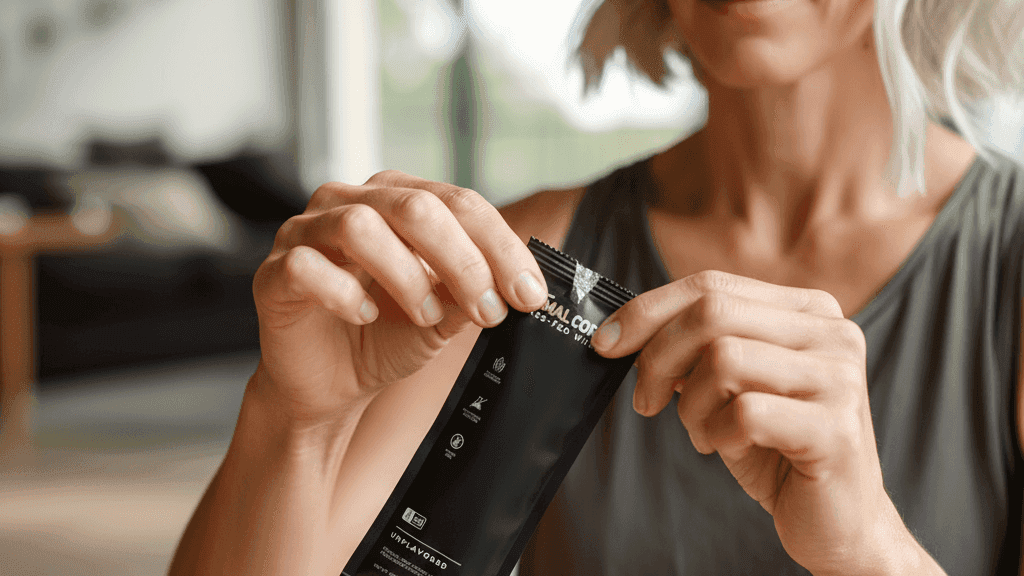
A whey desse copo é a whey Primal Core: um ingrediente, 24g de proteína por saqueta, com envio para toda a UE.
Continue a Ler
Para a ciência do timing e dosagem de proteína pós-treino, leia a nossa análise aprofundada sobre alimentar a recuperação muscular. E se quiser compreender porque o whey limpo faz diferença para o seu intestino, o nosso guia sobre whey limpo e saúde intestinal cobre a investigação.
Tudo o que precisas
4 ingredients · 1 serving
180
kcal
26g
protein
8g
carbs
5g
fat
Perguntas Frequentes
Como adiciono proteína ao café sem ficar com grumos?
A maioria das proteínas em pó cria grumos no café por causa das gomas, adoçantes e enchimentos, e qualquer whey cria grumos se encontrar líquido demasiado quente. O Primal Core é um concentrado whey de ingrediente único sem aditivos, por isso o método é o truque todo: deita uma saqueta em leite morno (morno, não quente), bate com o espumador até ficar liso e com espuma, e depois junta o expresso ou verte o leite sobre o café. Nunca o mexas directamente num shot quente.
Posso misturar Primal Core no café?
Sim, e a ordem importa. Deita uma saqueta em leite morno (morno, não quente), bate até ficar liso e depois junta o expresso ou verte o leite sobre o café. O Primal Core não tem gomas nem enchimentos, por isso faz espuma como leite; mas qualquer whey ganha grumos se o mexeres directamente num shot quente, por isso nunca o faças.
Porque é que a proteína whey causa inchaço e como é que a vossa é diferente?
A maioria das proteínas whey causa inchaço devido a ingredientes adicionados: adoçantes artificiais (sucralose, acessulfame-K), gomas espessantes (xantana, guar), lecitina de soja e excesso de lactose de processamento de baixa qualidade. O Primal Core evita tudo isto. É um concentrado de ingrediente único, suavemente processado, com níveis de lactose naturalmente mais baixos, razão pela qual os clientes relatam consistentemente zero inchaço.
O que contém a whey protein Primal Core?
Exactamente um ingrediente: concentrado de proteína whey de vacas alimentadas a pasto. Sem adoçantes, sem aromas, sem emulsionantes, sem gomas, sem enchimentos. É a proteína whey mais limpa que se pode comprar.
Utilizam adoçantes artificiais?
Não. Nunca utilizamos adoçantes, corantes ou aromatizantes artificiais. Qualquer doçura nos nossos produtos vem de fontes naturais.
Fontes & Referências
- 1.Casein and whey exert different effects on plasma amino acid profiles and gastrointestinal hormone secretion - British Journal of Nutrition (2003)
- 2.Veldhorst et al. (2009) - Effects of complete whey-protein breakfasts versus whey without GMP on energy intake and satiety. Appetite.
- 3.Schoenfeld et al. (2013) - The effect of protein timing on muscle strength and hypertrophy: a meta-analysis. JISSN.
- 4.Schoenfeld & Aragon (2013) - Nutrient timing revisited: is there a post-exercise anabolic window? JISSN.
- 5.Pal et al. (2014) - Comparative effects of whey and casein proteins on satiety in overweight individuals. European Journal of Clinical Nutrition.
- 6.The role of protein in weight loss and maintenance - American Journal of Clinical Nutrition (2015)