If you have ever finished a workout, grabbed your water bottle, downed a protein shake, and still felt flat, you are not alone. Hydration and recovery are not as simple as "drink water plus take protein." Your body needs the right combination of fluids, electrolytes, and nutrients -- delivered together -- to absorb what you give it.
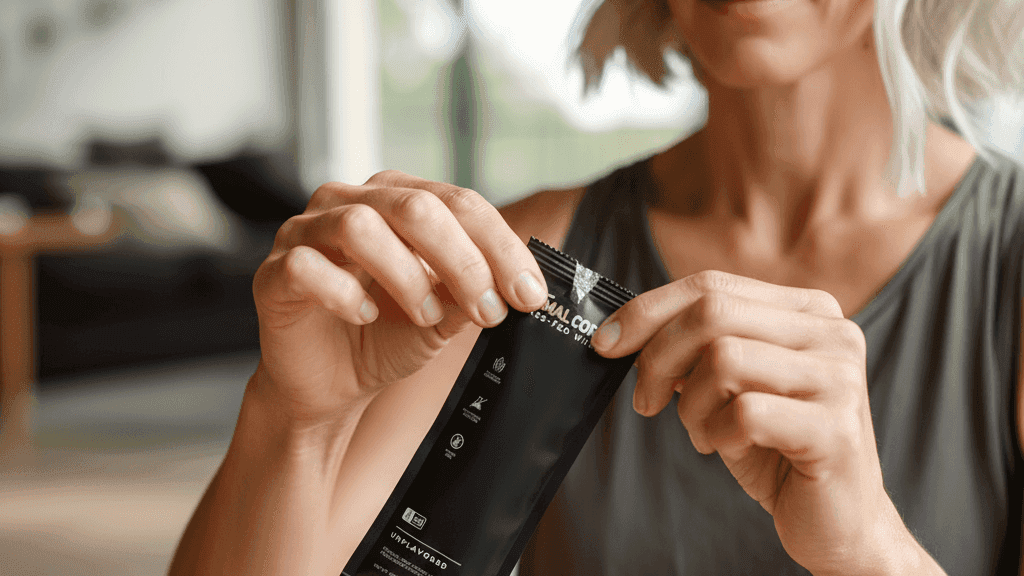
The whey in this recipe is made in Porto, from grass-fed cows on European pasture. It ships across the EU in two to three days, so if you're mixing this after a long run in Lisbon or Berlin, the sachet in your cupboard came from down the road, not across an ocean.
That is where the concept of a protein hydration drink makes a real difference. Instead of treating hydration and recovery as separate tasks, you combine them into a single drink that your body can process efficiently.
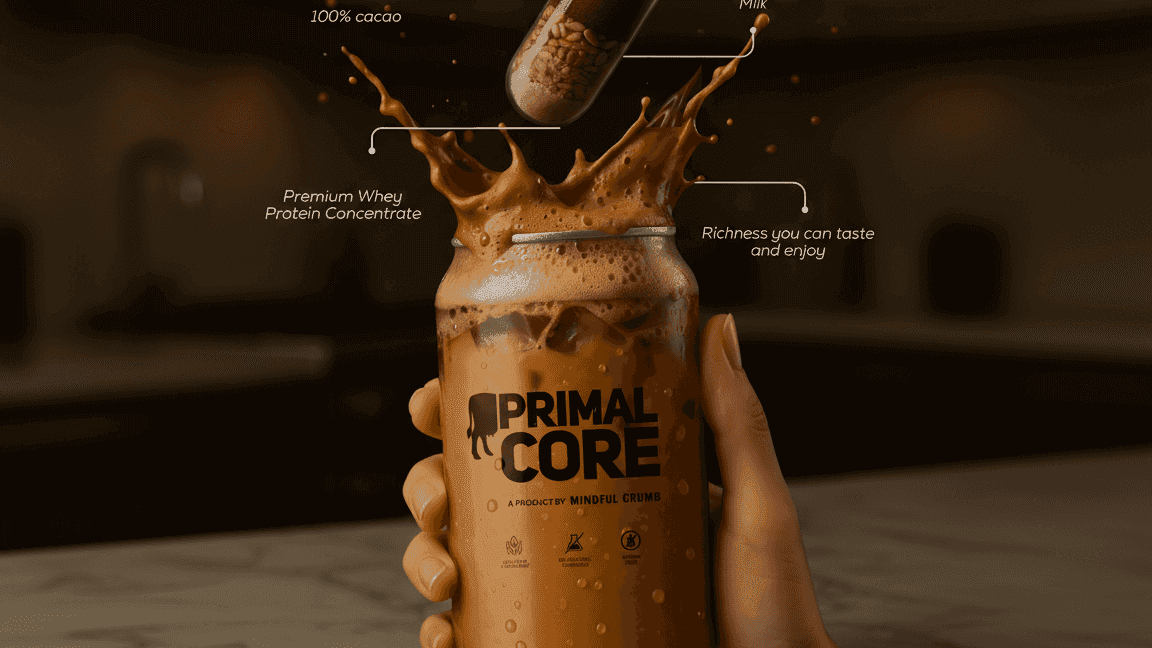
Recently, more people have been reaching for a simple mix that blends plant-based milk, clean protein, cacao, and a pinch of mineral-rich salt. It is easy to prepare, gentle on digestion, and supports both hydration and recovery. After recommending this combination to clients for years, I want to break down why each ingredient matters -- and what the science says about the approach.
Why This Drink Works: The Science Behind Each Ingredient
This is not just another shake recipe. Each ingredient plays a specific, evidence-based role in supporting hydration, recovery, and sustained energy.
Plant-Based Milk (Almond & Rice Blend)
A light base that is easy on the stomach, especially after exercise. Almond and rice milk are naturally lactose-free and will not weigh you down when your body is already working to recover. The fluid base also provides the vehicle for mineral absorption -- your body needs liquid to transport electrolytes into cells.
Grass-Fed Whey Protein (Low Lactose)
Adding a clean protein source does more than help your muscles recover. Research published in the *British Journal of Nutrition* found that whey protein triggers significantly higher levels of GLP-1 and CCK -- the satiety hormones that tell your brain you are full -- leading to 28% less food intake at the subsequent meal compared to casein. The rapid rise in amino acids from whey drives this stronger satiety signaling (Hall et al., 2003).
A study published in *Appetite* took this further, demonstrating that complete whey protein containing glycomacropeptide (GMP) produced greater increases in GLP-1, higher insulin response, and greater decreases in ghrelin (the hunger hormone) compared to whey with GMP removed. GMP-containing whey also resulted in lower energy intake at the next meal (Veldhorst et al., 2009).
This is significant because whey protein concentrate naturally contains GMP, while many isolates have it removed during processing. It means the type of whey you use in your recovery drink actually influences how satisfied you feel for hours afterward.
A randomized controlled trial published in the *European Journal of Clinical Nutrition* confirmed that whey protein is more satiating in the short term than casein in overweight and obese subjects, producing significantly higher postprandial CCK and GLP-1 concentrations (Pal et al., 2014).
Mindful Crumb's Primal Core whey is grass-fed, low-lactose, and made without added flavors, sweeteners, or fillers -- preserving the full bioactive profile including GMP.
100% Cacao
Cacao adds rich flavor without sugar, plus natural antioxidants including flavonoids that support cardiovascular health. The polyphenols in cacao have been shown to support nitric oxide production, which helps with blood flow -- beneficial during the recovery window when your muscles need nutrient delivery.
It also turns the drink into something you genuinely enjoy. Consistency matters more than perfection, and if your recovery drink tastes good, you will actually consume it regularly.
Celtic Sea Salt
A small pinch of Celtic sea salt provides natural electrolytes -- sodium, magnesium, calcium, and potassium -- minerals that help your body absorb fluids more effectively after sweating. Without adequate electrolytes, drinking water alone can actually dilute your blood sodium levels rather than rehydrating you.
Celtic sea salt retains its mineral content because it is unrefined, unlike standard table salt which is stripped of trace minerals during processing.
When to Drink It

A common question about protein timing is whether you need to consume it immediately after training. The old "30-minute anabolic window" has been a gym staple for decades, but the science has evolved significantly.
A landmark meta-analysis published in the *Journal of the International Society of Sports Nutrition* found no significant effect of protein timing on muscle strength or hypertrophy when total daily protein intake was controlled for. The results "refute the commonly held belief that the timing of protein intake in and around a training session is critical to muscular adaptations" (Schoenfeld et al., 2013).
A separate review by the same researchers found that the post-exercise "anabolic window" is far wider than the 30-minute myth suggests -- likely extending 4 to 6 hours -- and that total daily protein intake is the primary driver of muscle growth (Schoenfeld & Aragon, 2013).
What this means practically: you do not need to rush to make this drink the second you finish your last set. Consistent daily protein intake matters far more than obsessing over exact post-workout timing.
That said, this protein hydration drink fits naturally into several moments in your day:
- After training -- to replenish fluids, electrolytes, and amino acids in a single drink
- Mid-morning -- as a light, nourishing boost between meals that keeps you satisfied
- On active days outdoors -- ideal for walks, surfing, or long errands when you need sustained energy
- As a meal bridge -- when lunch or dinner is going to be delayed
A review in the *American Journal of Clinical Nutrition* confirmed that higher-protein diets (1.2 to 1.6 g/kg/day) consistently increase satiety hormones like GLP-1 and PYY while suppressing ghrelin, creating a hormonal environment that naturally reduces appetite (Leidy et al., 2015). This protein hydration drink contributes meaningfully to that daily target.
How to Make It
The recipe is simple:
- 250ml almond-rice milk blend (or any plant milk you prefer)
- One scoop (30g) Primal Core grass-fed whey protein
- 1 tablespoon 100% cacao powder
- A pinch of Celtic sea salt
Shake or blend until smooth. Serve over ice for a refreshing post-workout option, or enjoy it at room temperature.
The unflavored whey means no artificial sweetness competing with the natural, rich flavor of the cacao. You taste real food, not chemicals.
A Balanced Option for Hydration and Recovery
Most traditional protein shakes focus only on muscle repair. Most hydration drinks ignore protein altogether. This blend brings both together in a way that feels light, enjoyable, and easy to digest.
It is not about "doing more." It is about giving your body something it can actually use -- the right nutrients, in the right form, at a time when it matters. And the research consistently shows that whey protein, with its complete amino acid profile and natural satiety-promoting compounds, is one of the most effective tools you can use for both recovery and appetite management.
The whey in that glass is Primal Core grass-fed whey: one ingredient, 24g of protein a sachet, shipped across the EU.
Keep Reading
For the science of post-workout protein timing and dosing, read our deep dive on fueling muscle recovery. And if you want to understand why clean whey makes a difference for your gut, our guide to clean whey and gut health covers the research.
Everything you need
4 ingredients · 1 serving
180
kcal
26g
protein
8g
carbs
5g
fat
Frequently Asked Questions
How do I add protein to coffee without it clumping?
Most protein powders clump in coffee because of added gums, sweeteners and fillers, and every whey clumps if it meets liquid that is too hot. Primal Core is a single-ingredient whey concentrate with no additives, so the method is the whole trick: pour one sachet into warm milk (warm, not hot), froth it until it is smooth and foamy, then add your espresso or pour the milk over the coffee. Never stir it straight into a hot shot.
Can I mix Primal Core into coffee?
Yes, and the order matters. Pour one sachet into warm milk (warm, not hot), froth it until smooth, then add your espresso or pour the milk over the coffee. Primal Core has no gums or fillers, so it froths like milk; but any whey clumps if you stir it straight into a hot shot, so never do that.
Why does whey protein cause bloating and how is yours different?
Most whey proteins cause bloating due to added ingredients: artificial sweeteners (sucralose, acesulfame-K), thickening gums (xanthan, guar), soy lecithin, and excess lactose from low-quality processing. Primal Core avoids all of these. It's a single-ingredient, gently processed concentrate with naturally lower lactose levels, which is why customers consistently report zero bloating.
What is in Primal Core whey protein?
Exactly one ingredient: grass-fed whey protein concentrate from pasture-raised cows. No sweeteners, no flavoring, no emulsifiers, no gums, no fillers. It is the cleanest whey protein you can buy.
Do you use any artificial sweeteners?
No. We never use artificial sweeteners, colours, or flavours. Any sweetness in our products comes from natural sources.
Sources & References
- 1.Casein and whey exert different effects on plasma amino acid profiles and gastrointestinal hormone secretion - British Journal of Nutrition (2003)
- 2.Veldhorst et al. (2009) - Effects of complete whey-protein breakfasts versus whey without GMP on energy intake and satiety. Appetite.
- 3.Schoenfeld et al. (2013) - The effect of protein timing on muscle strength and hypertrophy: a meta-analysis. JISSN.
- 4.Schoenfeld & Aragon (2013) - Nutrient timing revisited: is there a post-exercise anabolic window? JISSN.
- 5.Pal et al. (2014) - Comparative effects of whey and casein proteins on satiety in overweight individuals. European Journal of Clinical Nutrition.
- 6.The role of protein in weight loss and maintenance - American Journal of Clinical Nutrition (2015)