The best protein powder with digestive enzymes is one that doesn't need them - because the bloating you're trying to fix usually comes from everything else in the tub. Sucralose. Guar gum. Xanthan. Soy lecithin. Those are what sit in your gut like cement. If you're lactose intolerant, lactase helps. The rest of the enzyme blends are marketing.
Enzyme blends are one claim on one shelf. If you are choosing a bag from scratch, start with the best protein powder for gut health.
Key facts:
- Lactase breaks down lactose (milk sugar) and genuinely helps people who can't digest dairy - the only enzyme with consistent evidence.
- Protease, bromelain, papain and amylase are marketed to help protein digestion, but healthy adults already make enough of these enzymes. Adding more doesn't speed absorption.
- Most "digestive enzyme blends" use proprietary doses so small they likely do nothing. If the label doesn't list milligrams per enzyme, assume decoration.
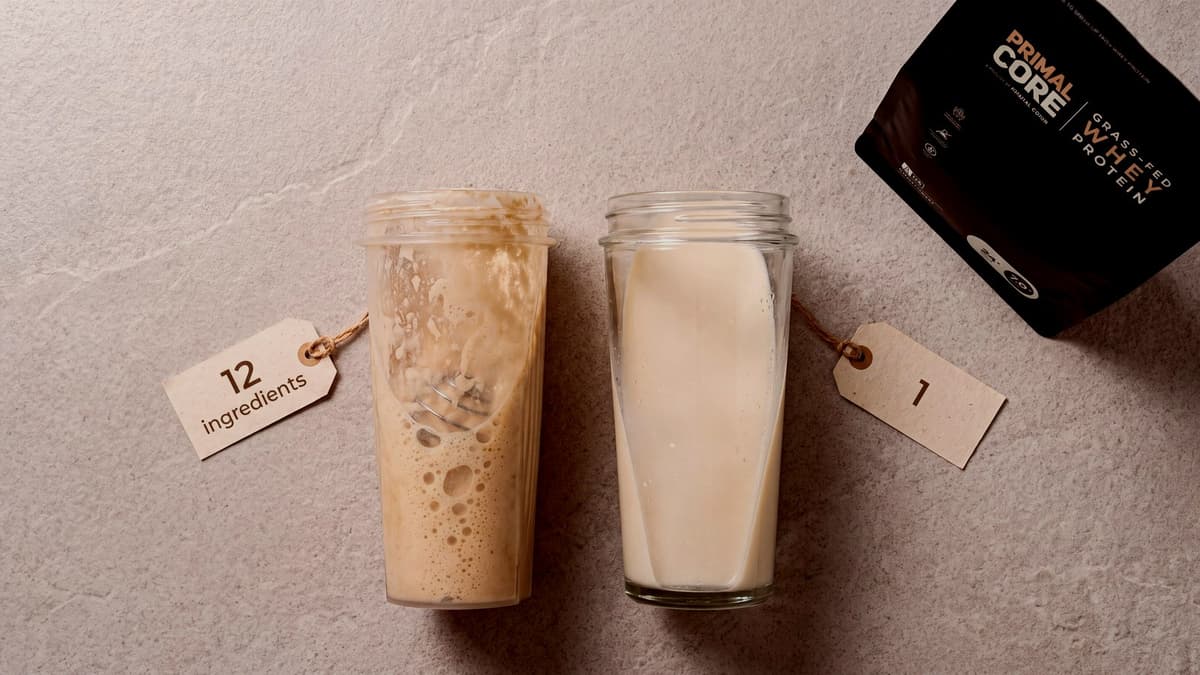
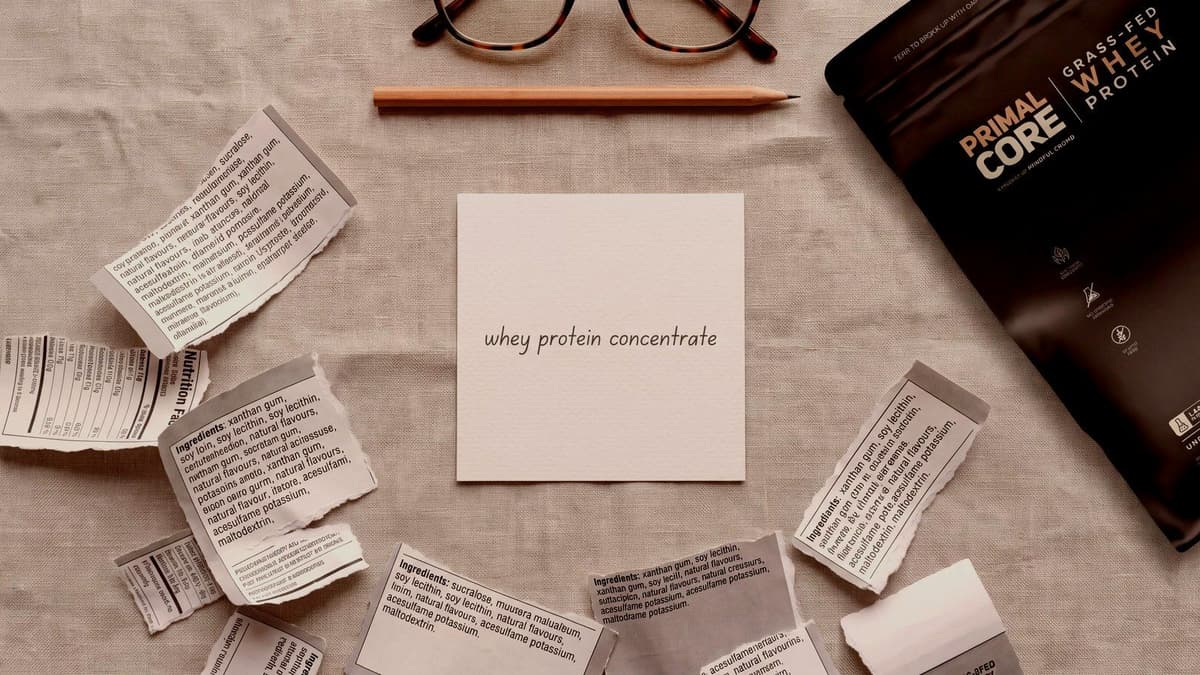
- The average whey protein powder contains 8-12 ingredients. Each one is a variable. Enzymes can't fix a formula built to bloat you.
- A whey concentrate with lactase added and nothing else removes every variable except the protein and the lactose enzyme. That's the actual fix.
I'm William. I started Mindful Crumb because I got tired of reading labels and feeling awful two hours later. I have an ISSA personal trainer cert and a decade of trying every protein on the market. This is what I learned.
What Are Digestive Enzymes in Protein Powders?
Digestive enzymes are proteins your body makes to break down food. Your pancreas pumps out protease to cut protein into amino acids, amylase to break down carbs, and lipase for fats. Your small intestine makes lactase to handle lactose (milk sugar).
Some protein powders add these enzymes to the formula. The theory: if your gut is slow or you don't make enough enzymes naturally, adding them to the powder will speed digestion and reduce bloating.
Here's what you'll see on labels:
- Lactase - Breaks lactose into glucose and galactose. Useful if you're lactose intolerant.
- Protease - Cuts protein chains into smaller peptides and amino acids. Your pancreas already does this.
- Bromelain (from pineapple) and papain (from papaya) - Plant-based proteases. Marketed as gentler or faster. No strong evidence they outperform your own enzymes.
- Amylase - Breaks down starches. Rarely needed in a protein shake unless you're mixing in oats or maltodextrin.
- Lipase - Breaks down fats. Only relevant if your powder has MCT oil or nut butters.
Most brands use a "digestive enzyme blend" - a cocktail of 4-6 enzymes with a total dose listed (like "100mg blend") but no breakdown per enzyme. That's a red flag. It usually means the dose of each enzyme is too small to matter.
Do Digestive Enzymes Actually Help With Protein Absorption?

Short answer: not if your pancreas works.
Your body is very good at digesting protein. A healthy adult makes enough protease to break down 150-200g of protein a day. Adding more protease to a 25g scoop of whey doesn't speed that up. A 2009 study in the *Journal of the International Society of Sports Nutrition* found no difference in protein absorption between whey with added enzymes and whey without them in healthy subjects.
The exception: people with pancreatic insufficiency (your pancreas doesn't make enough enzymes) or certain gut conditions like Crohn's or celiac. If that's you, prescription enzyme therapy is the answer, not a protein powder label claim.
Bromelain and papain show up in research for reducing inflammation and maybe helping protein breakdown *in a petri dish*, but human studies on protein powders with these enzymes show mixed results at best. A 2015 paper in *Nutrients* concluded that enzyme supplementation doesn't improve protein utilization in healthy adults.
Lactase is different. If you're lactose intolerant, you don't make enough lactase. Dairy sits in your gut, ferments, and you bloat. Adding lactase to a whey concentrate solves that. It's the only enzyme claim with consistent evidence behind it.
Why Most Protein Powders With Enzymes Still Bloat You
Because the enzymes aren't the problem.
Here's what actually causes protein powder bloat:
- Artificial sweeteners (sucralose, acesulfame-K) - These change your gut bacteria and slow digestion. A 2014 *Nature* study linked sucralose to glucose intolerance and gut dysbiosis.
- Sugar alcohols (erythritol, xylitol) - Ferment in your colon. Gas. Bloating. Diarrhea if you drink enough.
- Gums and thickeners (xanthan, guar, carrageenan) - These are added to make the shake creamy. They also slow gut transit and trap gas.
- Soy lecithin - Emulsifier used to mix powder and liquid. Some people react to it.
- Maltodextrin - A fast carb filler. Spikes blood sugar, feeds bad gut bacteria, causes bloating in sensitive people.
A protein powder with 10 ingredients and a "digestive enzyme blend" is still 9 ingredients that can wreck your gut. The enzymes can't fix that.
The real fix: fewer ingredients.
How to Read Enzyme Claims on a Protein Powder Label
Most enzyme claims are decoration. Here's how to know:
1. Check the dose per enzyme.
If the label says "Digestive Enzyme Blend (100mg)" and lists 5 enzymes, you're getting 20mg or less of each. That's likely too small to do anything. Compare that to a lactase supplement like Lactaid, which uses 9,000 FCC units per tablet. If your protein powder doesn't list FCC units (the enzyme activity measurement), assume the dose is cosmetic.
2. Look for lactase if you're lactose intolerant.
Lactase is the only enzyme with good evidence. If the label lists "lactase (3,000 FCC units)" or higher, it might help. If it just says "lactase" with no number, it's decoration.
3. Ignore proprietary blends.
If the ingredient list says "ProDigest Enzyme Complex" with no individual enzyme breakdown, you have no idea what you're getting. That's intentional.
4. Count the total ingredients.
If the powder has 12 ingredients and you bloat after drinking it, the enzymes aren't saving you. Try a powder with 1-3 ingredients first. See if the problem was the protein or everything else.
The Single-Ingredient Approach: Whey Concentrate With Lactase
This is what I make. This is what works for me and the people who have reviewed it.
Primal Core is one ingredient: grass-fed whey protein concentrate. That's it. No sweeteners. No gums. No flavors. No soy lecithin. Just protein.
We add lactase enzyme separately so people who are lactose intolerant can digest it. The concentrate form keeps the immunoglobulins and lactoferrin that an isolate strips out - those support gut health and immune function.
Per 30g sachet:
- 24g protein
- 5.5g BCAA
- Under 1g sugar
- 120 calories
- Lactase enzyme added
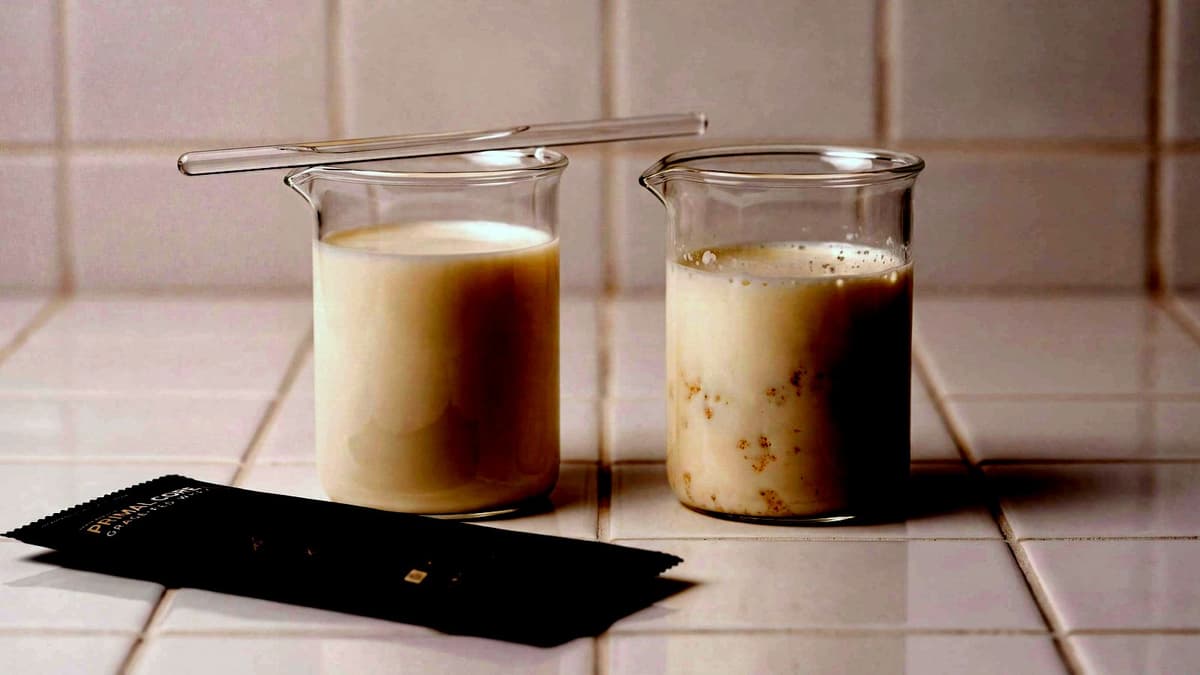
It's unflavored. You taste the whey - a little sweet, a little creamy. I add it to warm milk, froth it with the milk frother until dissolved and foamy, then pour an espresso shot into the frothed milk (25g protein cappuccino, no clumping). Some people bake with it. It holds up under heat because there are no sweeteners or gums to break down.
Third-party tested by Eurofins for heavy metals and full amino profile. Made in Portugal. Ships across the EU.
EUR 39 one-time, EUR 35 on subscription. 450g pouch (15 sachets). Order here.
If you're lactose intolerant and you've been bloating on whey isolate or whey with a dozen ingredients, this is the thing to try. If you're not lactose intolerant and you still bloat, the problem was never the lactose - it was the other garbage.
Protein Powders With Enzymes: Comparison Table
| Type | Enzyme Blend | Ingredient Count | Who It's For | Bloat Risk |
|---|---|---|---|---|
| Whey isolate + enzyme blend | Protease, bromelain, papain, amylase (proprietary dose) | 8-12 | People who want a flavored shake and believe enzyme marketing | High (sweeteners, gums) |
| Whey isolate + lactase only | Lactase (dose listed) | 3-5 | Lactose-intolerant people who want low-lactose whey | Medium (depends on other ingredients) |
| Whey concentrate + lactase | Lactase (dose listed) | 1-2 | Lactose-intolerant people who want to keep immunoglobulins | Low (if no fillers) |
| Plant protein + enzyme blend | Protease, amylase, lipase | 10-15 | Vegans who bloat on pea/rice protein | High (gums, seed oils, flavoring) |
| Single-ingredient whey (no enzymes) | None | 1 | People who digest lactose fine and want zero variables | Very low |
When Digestive Enzymes Actually Matter
Three situations where enzyme-added protein powders make sense:
1. You're lactose intolerant.
Lactase helps. Get a whey concentrate or isolate with lactase listed in FCC units (3,000+ per serving). Or take a Lactaid tablet with your shake. Both work.
2. You have diagnosed pancreatic insufficiency.
Your doctor should prescribe prescription-strength enzymes (like Creon). A protein powder enzyme blend won't cut it.
3. You're over 60 and your digestion has slowed.
Your enzyme production drops with age. A broad-spectrum enzyme supplement (separate from your protein powder) might help. A 2013 study in *Digestive Diseases and Sciences* found that older adults benefit from enzyme therapy for general digestive complaints, but the research on powder-added enzymes specifically is thin.
Outside of those three cases, enzymes are solving a problem you don't have.
What to Do If You Still Bloat
If you've tried a single-ingredient whey with lactase and you still bloat, the protein itself might not be the issue.
Try this:
- Drink it slower. Chugging 25g of protein in 30 seconds overwhelms your gut. Sip it over 10 minutes.
- Lower the dose. Start with 15g (half a scoop) and work up. Some people just process protein slower.
- Check your mixing liquid. Almond milk with carrageenan, oat milk with seed oils - those can cause bloating on their own.
- Try a different protein type. Some people don't tolerate whey at all. Egg white protein or beef protein isolate are alternatives (though both taste worse).
- Test for SIBO or IBS. If you bloat on everything, see a gastroenterologist. Small intestinal bacterial overgrowth and IBS both cause protein intolerance, and a protein powder won't fix that.
But start by eliminating every ingredient except the protein. Most of the time, that's the answer.
The Bottom Line
The best protein powder with digestive enzymes is one that doesn't need them because it has nothing else in it to cause bloating. Lactase matters if you're lactose intolerant. The rest of the enzyme blends are marketing.
If you've been buying flavored whey with a 12-ingredient label and a "digestive enzyme complex," try a single-ingredient concentrate with lactase added. See what happens when you remove every variable except the protein.
That's what I did. That's what worked.
If you want to try mine, it's here. If you don't, fine. Just stop buying powders with 10 ingredients and expecting enzymes to save you.
William
P.S. - Lab report here if you want to see the Eurofins third-party test. Heavy metals, amino profile, the works.
The bag that needs no enzyme blend is Primal Core grass-fed whey. One ingredient, added lactase for the lactose, 24g of protein a sachet, shipped across the EU.
Frequently Asked Questions
Do digestive enzymes in protein powder really work?
Lactase works if you're lactose intolerant. The rest (protease, bromelain, papain) don't improve protein absorption in healthy adults - your pancreas already makes enough. Most enzyme blends use doses too small to matter.
What's the best protein powder for people who bloat easily?
A single-ingredient whey concentrate with lactase added, no sweeteners or gums. Most bloating comes from artificial sweeteners, sugar alcohols and thickeners, not the protein itself.
Should I take digestive enzymes with whey protein?
Only if you're lactose intolerant (take lactase) or have pancreatic insufficiency (get prescription enzymes from your doctor). Healthy adults don't need added enzymes to digest protein.
Why do I still bloat on protein powder with digestive enzymes?
Because the enzymes aren't fixing the real problem - sucralose, guar gum, xanthan, soy lecithin, or maltodextrin. Those ingredients slow digestion and cause gas. Try a powder with 1-2 ingredients and see if the bloating stops.
Is whey isolate or concentrate better for digestion?
Isolate has less lactose, but it's stripped of immunoglobulins and lactoferrin that support gut health. If you're lactose intolerant, get a concentrate with lactase added. You keep the gut-supporting compounds and digest it fine.
Sources & References
- 1.Journal of the International Society of Sports Nutrition - Enzyme supplementation and protein absorption (2009)
- 2.Nature - Artificial sweeteners and glucose intolerance (2014)
- 3.Nutrients - Enzyme supplementation in healthy adults (2015)
- 4.Digestive Diseases and Sciences - Enzyme therapy in older adults (2013)
- 5.EFSA - Lactase and lactose digestion health claim