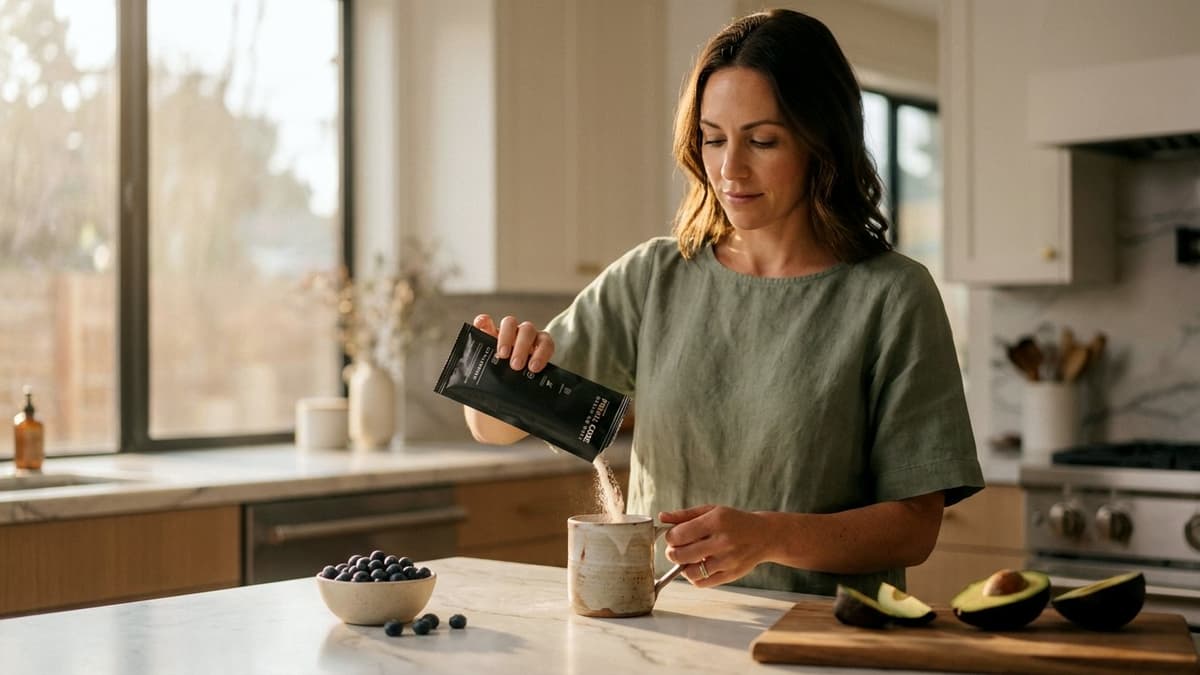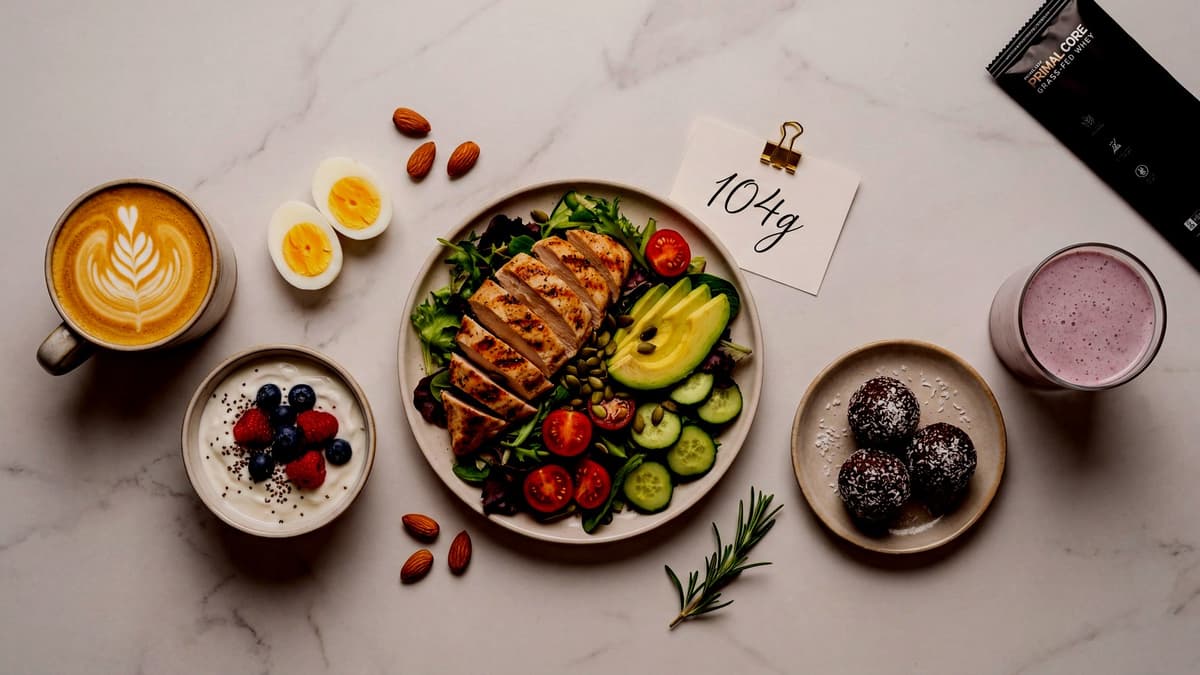

If protein shakes make you nauseous on Ozempic, the problem is not the protein - it's what is mixed in with it. Sweeteners, gums, and fillers sit in your stomach longer because GLP-1 medications slow digestion. That is what triggers the nausea. The fix is simple: use whey with nothing added. Single ingredient. No extras for your slowed stomach to fight.
If you're shopping in the EU, the ingredients list will actually tell you what's causing the nausea. Every gum and sweetener has to be named by law here, so a five-second read of the back of the pack tells you whether you're looking at the problem or a genuinely clean scoop.
Now add the challenge of eating enough protein to protect your muscle mass, and you have a genuine problem. Many GLP-1 users report that the very thought of food -- especially protein shakes -- triggers or worsens their nausea. Some give up on protein entirely, which accelerates muscle loss and undermines the long-term benefits of the medication.
This does not have to be the outcome. Here is what actually works for getting protein in without amplifying GLP-1 nausea.
Why GLP-1 Medications Cause Nausea
GLP-1 medications cause nausea by slowing gastric emptying -- food stays in your stomach 30-50% longer than normal. The nausea is not the medication itself; it is the volume and type of food sitting in your stomach for too long. This is why standard protein vehicles (large shakes, bars, full meals) suddenly stop working, and why smaller-volume, lower-fat, additive-free deliveries work instead.
GLP-1 receptor agonists slow gastric emptying as part of how they suppress appetite. Anything that is hard to digest, sits heavy, or irritates the stomach lining will linger and worsen symptoms.
This is why the typical protein shake -- loaded with artificial sweeteners, xanthan gum, soy lecithin, and seed oils -- is often intolerable on GLP-1 medications. These additives are not just unnecessary. On a GLP-1, they become active obstacles to getting enough protein.
The Additives That Make Nausea Worse

Most protein powders contain ingredients that compound GLP-1 nausea:
Artificial sweeteners (sucralose, acesulfame-K). A randomised controlled trial published in *Cell* confirmed that these sweeteners alter gut bacteria composition in as little as two weeks. They can also increase gas production, bloating, and the general feeling of GI unease that GLP-1 users are already prone to (Suez et al., 2022).
Thickening gums (xanthan, guar, cellulose gum). These create a thick, sludgy texture that sits in the stomach. On a medication that already slows gastric emptying, this thick liquid lingers even longer -- directly worsening nausea.
Soy lecithin. Used as an emulsifier in most protein powders, soy lecithin can cause bloating and gas in sensitive individuals. On GLP-1 medications, these effects are amplified.
Seed oils (sunflower oil, canola oil). Often hidden in protein powders as processing aids, seed oils are inflammatory and harder to digest than clean fats.
The solution is not to stop consuming protein. The solution is to eliminate the ingredients that make protein consumption unpleasant.
What Actually Works: 6 Nausea-Friendly Protein Strategies
1. Single-Ingredient Whey, Cold
The simplest approach is often the most effective. A single-ingredient whey protein (no sweeteners, no gums, no additives) mixed with cold water is one of the best-tolerated protein sources on GLP-1 medications.
Cold temperature helps: it numbs the stomach slightly and makes the liquid more refreshing. Warm or room-temperature shakes are more likely to trigger nausea.
Recipe: 1 whey sachet + 200ml ice-cold water + a few ice cubes. Shake for 30 seconds. Sip slowly over 15 to 30 minutes.
2. Protein Cappuccino (Warm But Small Volume)
Counterintuitively, a small volume of warm protein can work well. A protein cappuccino -- one whey sachet frothed into warm milk (well under 65°C), then combined with a single espresso -- delivers 24 grams of protein in a small cup. The volume is small enough to not overwhelm the stomach, and many GLP-1 users tolerate warm drinks better than warm solid food.
The key is using unflavored, additive-free whey. Flavored protein powders in coffee taste terrible and the sweeteners can worsen GI symptoms.
3. Protein Balls (Solid But Small)
Protein balls offer a unique advantage: they are solid food, but incredibly small. Two protein balls deliver 16 to 20 grams of protein in a package smaller than a golf ball each.
For GLP-1 users who cannot tolerate liquid protein on certain days, slowly nibbling a protein ball provides a concentrated protein hit without the stomach-sloshing sensation of a shake.
4. Dilute and Sip
Instead of drinking a full protein shake in one sitting, dilute it. Mix one whey sachet into 400ml of water instead of 200ml, then sip it throughout the morning over 1 to 2 hours. You get the same 24 grams of protein, but your stomach processes it gradually.
This approach works exceptionally well for the first few weeks on GLP-1 medications when nausea is typically worst.
5. Frozen Protein
Blend one whey sachet with ice, a small amount of water, and optional frozen berries into a thick, slushie-like consistency. The cold temperature helps suppress nausea, and the frozen texture makes it feel more like a dessert than a supplement.
Some users freeze protein shakes into ice cube trays and suck on them slowly throughout the day -- another effective low-volume approach.
6. Time Around Your Injection Cycle
Most GLP-1 users notice a nausea pattern tied to their injection cycle. Nausea tends to be worst in the 24 to 48 hours after injection and gradually improves over the following days.
Plan your highest-protein meals and shakes for the days when you feel best. On tough days, focus on the easiest-to-tolerate options (cold diluted whey, protein balls, frozen protein).
Foods to Avoid on High-Nausea Days
When nausea is peaking, avoid:
- Fatty or greasy foods (they slow digestion further)
- Large meals (volume triggers nausea)
- Extremely hot food (increases GI discomfort)
- Flavoured protein powders (sweeteners worsen symptoms)
- Carbonated drinks with protein (gas amplifies bloating)
When to Talk to Your Doctor
If nausea is so severe that you consistently cannot consume adequate protein for more than a week, speak with your prescribing physician. Dosage adjustments, slower titration, or switching between GLP-1 medications can significantly improve tolerability without sacrificing weight loss results.
Your protein intake is not optional -- it is a critical part of making GLP-1 therapy work safely and effectively. The goal is to find the format and timing that your body tolerates, not to skip protein entirely.
The Bottom Line
GLP-1 nausea is real, common, and challenging. But it is not a reason to give up on protein. The key insight is that most protein-related nausea on GLP-1 medications is caused by the additives in protein powder, not the protein itself.
Switch to a single-ingredient whey with zero additives, use cold or frozen preparations, sip slowly rather than gulping, time intake around your injection cycle, and keep volumes small. These strategies have helped many GLP-1 users maintain adequate protein intake even during the toughest nausea phases.
The whey I point people to on a bad nausea day is Primal Core grass-fed whey. One ingredient, 24g of protein a sachet, shipped across the EU.
Keep Reading
For a full overview of protein strategies on GLP-1 medications, read our complete GLP-1 protein guide. If you are struggling to hit daily targets, our guide on reaching 100g of protein with low appetite provides seven practical strategies. For the consolidated GLP-1 protein protocol with a sample one-day plan, see the best protein powder on GLP-1 medications. And if you are wondering why switching to additive-free protein made such a difference, read the founder's story of taking the wrong protein for two years.
Frequently Asked Questions
Is Primal Core whey protein GLP-1 friendly?
Yes. Primal Core is an excellent choice for anyone on GLP-1 medications like semaglutide (Ozempic, Wegovy) or tirzepatide (Mounjaro). With 24g of protein per single-ingredient sachet and zero fillers, it helps you hit the 60–120g daily protein target that doctors recommend to preserve muscle mass during GLP-1 weight loss. The individual sachets make portion control effortless.
Is Primal Core suitable for GLP-1 medications like Ozempic or Wegovy?
Yes. Primal Core is ideal for anyone on semaglutide (Ozempic, Wegovy) or tirzepatide (Mounjaro). Each 30g sachet delivers 24g of protein to help preserve muscle mass during weight loss, and the individual portions make tracking intake easy.
Are Crumb Balls suitable for GLP-1 users?
Yes. Crumb Balls are ideal for anyone on GLP-1 medications like Ozempic or Wegovy. They are small, calorie-dense, high in protein, and easy to eat when appetite is low.
Why does whey protein cause bloating and how is yours different?
Most whey proteins cause bloating due to added ingredients: artificial sweeteners (sucralose, acesulfame-K), thickening gums (xanthan, guar), soy lecithin, and excess lactose from low-quality processing. Primal Core avoids all of these. It's a single-ingredient, gently processed concentrate with naturally lower lactose levels, which is why customers consistently report zero bloating.
Do you use any artificial sweeteners?
No. We never use artificial sweeteners, colours, or flavours. Any sweetness in our products comes from natural sources.
How to avoid nausea from protein shakes on Ozempic?
Skip protein powders with sweeteners, gums, or fillers - they sit in your slowed stomach and trigger nausea. Use single-ingredient whey with nothing added. Mix it into warm milk and froth it before adding anything hot, or blend it into smoothies with easily digested ingredients like banana or oat milk.
Protein powder for GLP-1 nausea?
The best protein powder for GLP-1 nausea is single-ingredient whey with no sweeteners, gums, or fillers. Your stomach empties slower on semaglutide or tirzepatide, so anything extra in the powder just sits there and makes you feel sick. Plain whey with lactase added is the easiest thing to digest.