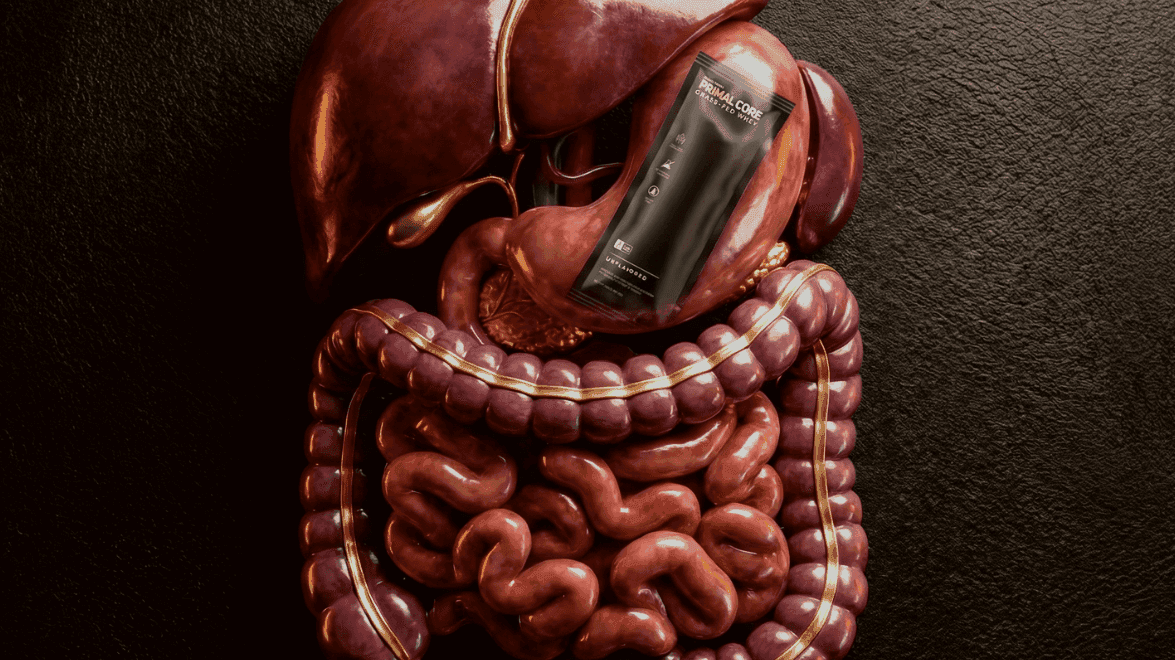

Lactose-free whey protein contains added lactase enzyme to break down lactose during digestion, or is processed into whey isolate (which removes most lactose mechanically). Both let lactose-intolerant people drink whey without bloating, cramps or gas. The enzyme method keeps more of whey's natural immune compounds. The isolate method strips lactose out but also removes lactoferrin and immunoglobulins in the process.
Key facts:
- Whey concentrate contains 3-4% lactose by weight. That's 0.9-1.2g per 30g scoop.
- Whey isolate is filtered to under 1% lactose (about 0.3g per scoop).
- Lactase enzyme added to concentrate breaks lactose into glucose and galactose, which most people digest easily.
- The FDA allows "lactose-free" labeling if lactose is under 0.5g per serving after enzyme treatment.
- About 68% of the global population has reduced lactase production after childhood (lactose intolerance).
- Whey isolate costs 20-40% more than concentrate because of the extra filtration.
What does "lactose-free" actually mean?
Two definitions matter here. The regulatory one and the functional one.
Regulatory: In the EU and US, a product labeled "lactose-free" must contain less than 0.01g lactose per 100g of product. For a 30g scoop of protein powder, that's under 0.003g of lactose - functionally zero.
Functional: Most lactose-intolerant people can tolerate up to 12g of lactose in a single sitting without symptoms. That's the lactose in about 250ml of milk. A 30g scoop of untreated whey concentrate contains about 1g of lactose - well under the symptom threshold for most people. But "most" isn't "all". Some people react to any lactose. That's where enzyme treatment or isolate matters.
The category addresses a real digestive tolerance issue, not just a marketing claim.
Whey concentrate vs whey isolate: the lactose difference

| Feature | Whey Concentrate | Whey Isolate |
|---|---|---|
| Protein per 100g | 70-80g | 85-95g |
| Lactose per 100g | 3-4g | <1g (usually 0.5-0.8g) |
| Fat per 100g | 3-6g | <1g |
| Processing method | Microfiltration | Cross-flow microfiltration or ion exchange |
| Keeps lactoferrin & immunoglobulins | Yes | Partially (cross-flow) or No (ion exchange) |
| Cost per kg | €20-35 | €30-50 |
| Best for | Daily use, baking, people who digest lactose fine | Ultra-low lactose needs, cutting macros |
Concentrate is less processed and keeps more of the bioactive compounds that make whey useful beyond just protein. Isolate gives you more protein per gram and less of everything else, including lactose.
If you're lactose intolerant and want concentrate's benefits, you need lactase enzyme added. If you want the lowest possible lactose and don't care about losing some immune compounds, isolate works.
How lactase enzyme works (and why it matters for whey)
Lactase is the enzyme your small intestine produces to break lactose (milk sugar) into glucose and galactose. Most mammals stop producing it after weaning. Humans who kept drinking milk after childhood - mostly Northern European populations - evolved persistent lactase production. Everyone else didn't.
When you add lactase enzyme to whey protein, it does the job your gut can't. The lactose gets pre-digested. You absorb glucose and galactose instead of undigested lactose hitting your colon and fermenting into gas.
This is how lactose-free milk works. Same principle for protein powder.
The advantage over isolate: you keep the fat-soluble vitamins, the lactoferrin, the immunoglobulins. You just remove the digestive problem.
What Mindful Crumb's Primal Core does differently
Primal Core is a grass-fed whey concentrate with lactase enzyme added. One ingredient on the label - whey protein concentrate - plus the enzyme disclosure.
The people who use it are label-readers in Porto, Lisbon, Madrid, Barcelona. They add it to warm milk, froth it with a milk frother until dissolved and foamy, then pour in their espresso or add the frothed milk to coffee (25g protein, no clumping, no sweetener aftertaste) - or bake with it. Many are on or considering GLP-1 medication and need high protein without volume.
Here's what's in a 30g sachet:
- 24g protein
- 5.5g BCAA
- <1g sugar (natural milk sugar, post-enzyme)
- 120 calories
- Zero gums, sweeteners, soy lecithin, seed oils, flavoring
Cold-processed to keep the immunoglobulins intact. Third-party tested by Eurofins for heavy metals and full amino profile. The lactase enzyme brings functional lactose down to the threshold most lactose-intolerant people tolerate comfortably.
It ships as a 450g pouch of 15 individually sealed sachets. €39 one-time, €35 on subscription. Portugal €7, Spain €8, rest of EU €12-20 depending on zone. Free over €100 to Portugal and Spain.
Shop Primal Core here | Read the Eurofins lab report
Who actually needs lactose-free whey?
If you get bloated, gassy or crampy after drinking regular whey - even "premium" whey with a clean label - you probably have some degree of lactose intolerance.
If you've never had a problem with milk or yogurt, you probably don't need lactose-free whey. Standard concentrate will be fine.
If you react to milk but want the immune benefits of whey concentrate (lactoferrin, immunoglobulins), enzyme-treated concentrate is the play. If you just want maximum protein and minimum everything else, isolate works.
The other group: people using whey for baking. Lactose caramelizes under heat and can make baked goods brown too fast or taste slightly burnt. Lactase-treated whey or isolate solves that.
The bottom line
Lactose-free whey means lactose has been enzymatically broken down or mechanically filtered out. Both work. Enzyme treatment keeps more of whey's bioactive compounds. Isolate gives you cleaner macros.
If you're lactose intolerant and want a whey you can actually digest, either method works. If you want the benefits of concentrate without the bloat, look for lactase enzyme on the label.
Primal Core uses the enzyme method. One ingredient. Grass-fed. Cold-processed. Third-party tested. €35/month on subscription if you want it to show up and never think about it again.
That's the landscape. Pick what fits your gut.
If the symptom you are chasing is bloating rather than lactose itself, that is the best protein powder for a sensitive gut.
Frequently Asked Questions
Is whey isolate completely lactose-free?
Whey isolate contains less than 1% lactose by weight - low enough that most lactose-intolerant people digest it without issues. It's not zero lactose, but it's close enough for most people.
Can lactose-intolerant people drink whey protein?
Yes, if it's whey isolate or whey concentrate with added lactase enzyme. Standard whey concentrate contains 3-6% lactose and will cause bloating if you're lactose intolerant.
Does lactase enzyme in protein powder actually work?
Yes. Lactase enzyme breaks down lactose into glucose and galactose before it reaches your colon. Dose matters - look for 3,000-9,000 FCC lactase units per serving for moderate lactose intolerance.
Why does whey isolate cost more than concentrate?
Isolate requires extra filtration steps to remove lactose, fat, and carbs. You're paying for higher protein density (90%+ vs 70-80%) and lower lactose, but you lose immunoglobulins and lactoferrin in the process.
What if I still bloat from lactose-free whey?
Check the label for gums (xanthan, guar), soy lecithin, or artificial sweeteners. Most gut reactions to lactose-free whey are from those additives, not the whey itself. If you react to plain isolate or single-ingredient concentrate with lactase, you may have dairy protein sensitivity, not lactose intolerance.